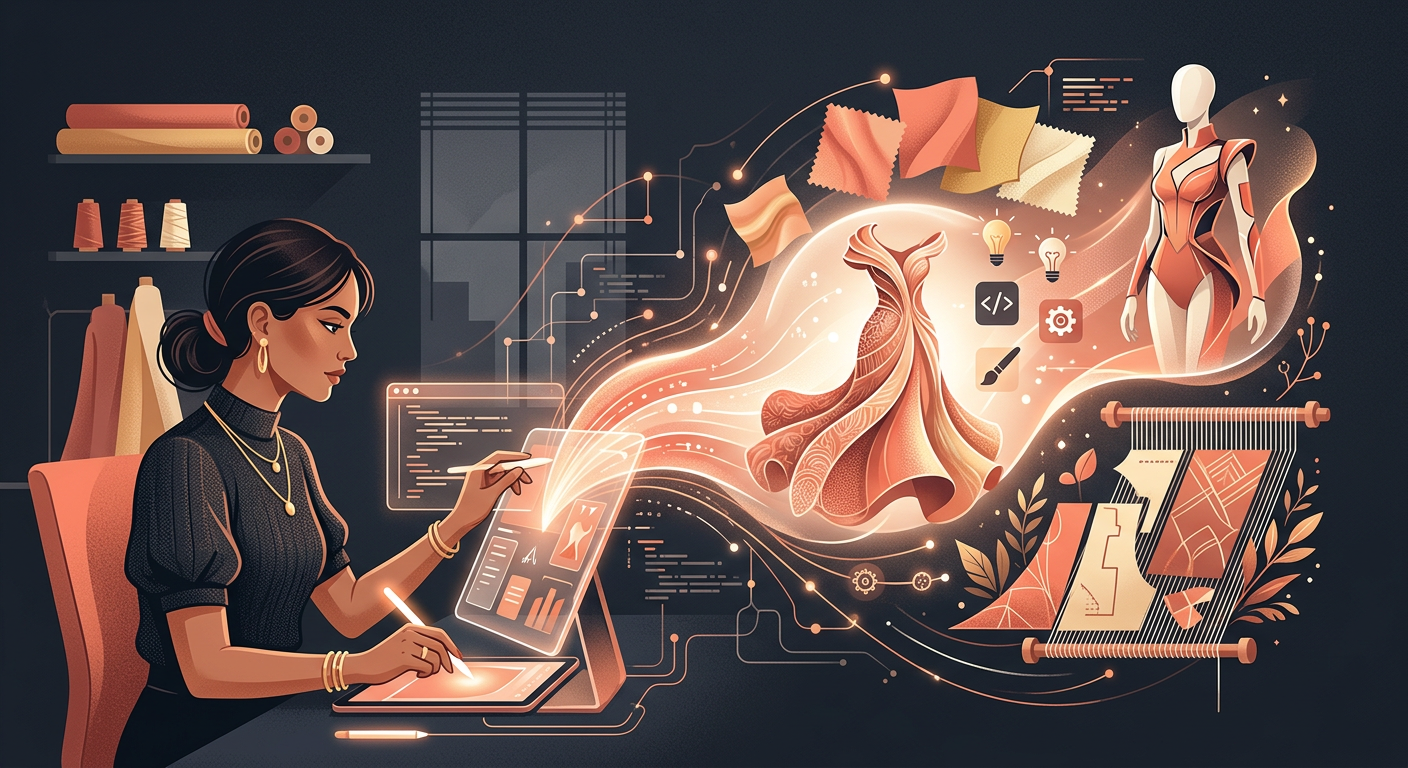
The New Era of Style and Technology
The intersection of fashion and technology has moved far beyond simple e-commerce platforms and digital lookbooks. We are currently witnessing a fundamental shift in how garments are conceptualized, designed, and brought to market. For women looking to lead in this space, understanding AI tools for fashion is no longer optional - it is a transformative skill set that bridges the gap between creative vision and technical execution.
At kacibrown.co, we believe that the future of tech is feminine. This guide serves as a practical roadmap for designers, entrepreneurs, and tech enthusiasts who want to leverage artificial intelligence to enhance their creative workflow without losing the human touch that makes fashion meaningful. Whether you are interested in generative design, sustainable production, or personalized styling, the tools available today are more accessible than ever before.
Understanding the Landscape of AI in Fashion
AI in the fashion industry is not a monolith. It exists across several layers of the production cycle. To master these tools, it helps to first understand our glossary of terms, as the language of AI can sometimes feel overwhelming. Broadly, we can categorize these tools into three main buckets: generative design, inventory optimization, and consumer personalization.
Generative Design and Visual Creation
Generative AI allows designers to input specific parameters - like fabric type, silhouette, or historical influence - and receive hundreds of design iterations in seconds. This does not replace the designer; rather, it acts as a high-speed mood board. Tools like Midjourney or DALL-E 3 are frequently used for initial conceptualization, but specialized fashion AI platforms are emerging that understand the nuances of textiles and pattern making.
Predictive Analytics for Sustainability
One of the most powerful applications of AI is its ability to predict trends and manage inventory. By analyzing social media patterns and historical sales data, AI can help small brands avoid overproduction. This shift toward a demand-driven model is essential for the sustainable future of the industry.
Virtual Try-Ons and Personalization
For those building consumer-facing apps, AI enables virtual fitting rooms. These tools use computer vision to overlay garments on a user's photo, reducing return rates and increasing consumer confidence. If you are interested in building these types of solutions, our workshops cover the foundational steps of bringing AI concepts to life.
Mastering Vibe Coding for Women in Fashion
One of the most exciting developments in the technical space is the concept of vibe coding. Traditionally, building a fashion tech application required deep knowledge of complex programming languages. However, the rise of Natural Language Processing (NLP) has ushered in the era of vibe coding for women, where your creative intent and descriptive language become the code itself.
In the context of fashion, vibe coding allows you to describe the "vibe" of an aesthetic - such as "1970s Parisian bohemian with a modern sustainable twist" - and use AI agents to generate the underlying assets, product descriptions, or even the website code. This lowers the barrier to entry significantly, allowing creative women to act as architects of their vision rather than just executors of code.
Being part of a women-led vibe coding community like ours ensures that you have the support system needed to navigate these technical waters. VibecodHER is proud to be the first women-led vibe coding community, focused specifically on helping creators navigate this transition from traditional tools to AI-driven building.
Top AI Tools for Fashion Creators
If you are ready to start building, here are the categories of tools you should explore. Each serves a unique purpose in the fashion lifecycle.
1. Visual Generation and Inspiration
- Midjourney: Excellent for high-fidelity photorealistic fashion imagery. Use it to visualize how a fabric might drape or how an accessory might look in a specific lighting environment.
- Adobe Firefly: Built into the Creative Cloud, this allows for ethical generative AI integrated directly into Photoshop, making it easy to edit textures on existing designs.
- Canva Magic Studio: A perfect entry point for those focused on the marketing side of fashion tech, allowing for quick background removals and style transfers.
2. Design and Prototyping
- CLO 3D: While a traditional industry standard, its integration with AI is growing. You can use AI to generate patterns that are then simulated in 3D to see how they move on a digital human form.
- The New Black: This tool focuses specifically on fashion design, allowing users to create clothing designs from text descriptions or simple sketches.
3. Business and Workflow Automation
- ChatGPT with Custom GPTs: You can build a custom GPT trained on your brand's voice and aesthetic guidelines to write product descriptions, social media captions, and even customer service responses. This is a core part of what we teach at /vibecodher.
- Copy.ai: Useful for bulk creating SEO-optimized product listings based on the visual data from your AI design tools.
How to Start Your First AI Fashion Project
To move from passive observer to active builder, follow these actionable steps. The goal is to start small and iterate quickly.
- Define Your Niche: Don't try to solve all of fashion at once. Are you focused on sustainable knitwear? Luxury accessories? Identifying your niche helps you prompt AI tools more effectively.
- Gather Your Data: AI thrives on quality input. Curate a collection of images, textures, and descriptions that represent your brand. This becomes the foundation of your "vibe."
- Build a Custom Agent: Use a no-code platform or a custom GPT to create an assistant that understands your specific design constraints. This is the essence of AI building.
- Test and Refine: Use AI-generated designs as a starting point, then refine them using your creative intuition. The best results always come from the collaboration between human and machine.
The Role of Community in Fashion Tech
Learning these tools in isolation can be daunting. The rapid pace of change means that what worked yesterday might be outdated tomorrow. This is why joining a community is vital. When women share their prompts, workflows, and failures, everyone grows faster.
In our women-led vibe coding community, we emphasize practical application. We don't just talk about the theory of AI; we build tangible projects. Whether you are trying to automate your boutique's back-office or design an entire collection using generative models, having a group of peers to bounce ideas off is invaluable.
Ethical Considerations in AI Fashion
As we embrace these tools, we must also be mindful of the ethics involved. This include:
- Intellectual Property: Being aware of how training data is used and ensuring your final output is sufficiently original.
- Diversity and Representation: Using AI to ensure that fashion is inclusive, creating digital models that represent a wide variety of body types, ethnicities, and abilities.
- Environmental Impact: While AI can reduce physical waste in sampling, the computing power required for large models has its own footprint. Choosing efficient tools and workflows is key.
Practical Takeaways for Fashion Builders
- Learn to Prompt with Style: Treat your prompts like creative briefs. The more descriptive and specific you are about silhouettes, materials, and moods, the better your AI output will be.
- Integrate, Don't Replace: Use AI to handle the repetitive, data-heavy tasks so you can focus on the artistic direction and high-level strategy.
- Stay Curious: The world of AI is evolving daily. Dedicate an hour a week to experimenting with a new tool or reading up on the latest industry trends.
Fashion has always been about the future. By mastering AI tools for fashion, you are positioning yourself at the forefront of the next great creative revolution. You are not just a designer or a developer - you are a vibe coder, shaping the aesthetic landscape through the power of intelligent technology.
Ready to dive deeper into the world of AI building? Join the free VibecodHER community and connect with other women who are redefining the fashion industry through tech.
Frequently Asked Questions
Do I need to know how to code to use AI tools for fashion?
No, you do not need traditional coding skills. With the rise of vibe coding, you can use natural language to interact with AI models. We focus on teaching women how to use their creative voice to drive the technology, making it accessible to anyone with a vision.
Can AI actually create wearable clothing patterns?
Yes, there are specialized AI tools that can generate technical flats and pattern files that can be exported to software like CLO 3D or printed for physical assembly. While the AI provides the initial draft, a human pattern maker usually reviews it for technical accuracy.
Is AI-generated fashion bad for human designers?
Quite the opposite. AI acts as a co-creator that removes the drudgery of the design process. It allows designers to experiment with thousands of ideas in the time it used to take to sketch one, ultimately leading to more innovative and diverse fashion landscapes.
How can I make sure my AI fashion brand stands out?
Success comes down to your unique perspective and the way you curate your AI's output. Your "vibe" is your competitive advantage. By focusing on storytelling and specific brand values, you ensure that your AI-assisted designs have a soul that resonates with your audience.
Where can I find a group of women working on these types of projects?
You can find support and collaboration in the VibecodHER community. It is a dedicated space for women to learn vibe coding, share AI building tips, and network with others at the intersection of fashion and technology. Join the free VibecodHER community