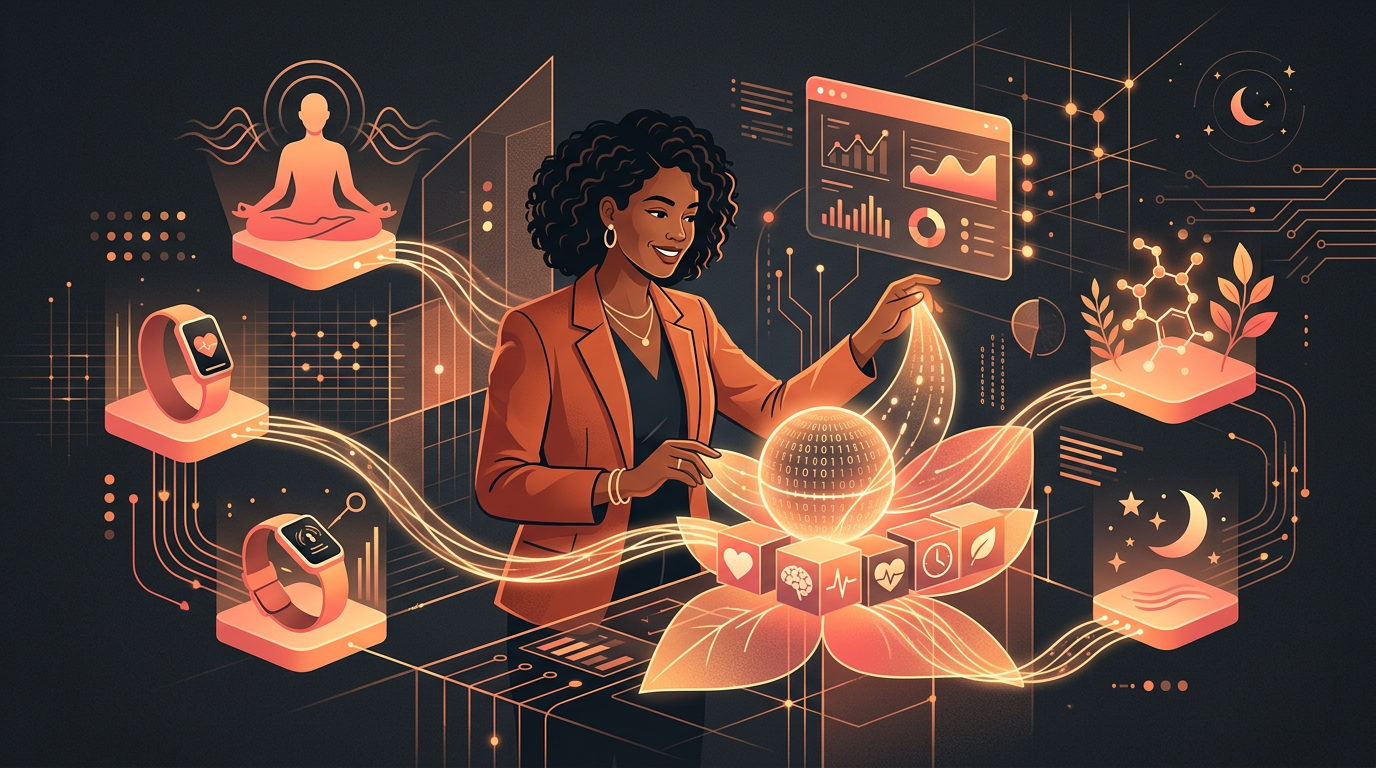
The New Era of Personal Wellbeing
The intersection of technology and self-care has reached a pivotal turning point. We are moving past generic step-counters and basic calorie trackers into a space where technology understands our unique nuances. Using AI tools for wellness is no longer just about consuming data; it is about creating systems that reflect our personal energy and lifestyle. At kacibrown.co, we believe the most powerful health intervention is the one you build for yourself based on your specific needs.
For many women, the traditional tech space feels clinical or disconnected from the lived experience. This is where the concept of vibe coding enters the conversation. By combining the emotional intelligence of human intuition with the raw processing power of artificial intelligence, we can develop tools that actually feel good to use. This guide will walk you through how to navigate this new world, from selecting the right existing platforms to building your own custom solutions within a women-led vibe coding community.
Understanding AI Tools for Wellness
When we discuss AI tools for wellness, we are referring to software and platforms that use machine learning, natural language processing, and predictive analytics to support physical, mental, and emotional health. These tools act as personalized assistants that can spot patterns in your behavior that you might miss yourself.
Personalized Nutrition and Meal Planning
One of the most immediate benefits of AI in the wellness space is the ability to generate hyper-personalized nutrition plans. Traditional apps often rely on static databases and rigid caloric goals. AI-driven tools, however, can adapt to your dietary restrictions, seasonal availability of ingredients, and even your energy levels throughout the day.
Imagine a system that reviews your grocery list and suggests recipes based on the exact nutrients your body needs after a high-stress week. By learning your preferences, these tools reduce the cognitive load of decision-making, which is often the biggest barrier to maintaining a healthy diet. To understand the terminology behind these systems, you can explore our glossary for a breakdown of machine learning concepts.
Mental Health and Emotional Regulation
AI is making significant strides in mental health support. LLMs (Large Language Models) can serve as sophisticated journaling companions. Instead of writing into a void, you can engage with an AI that provides reflective prompts based on the sentiment of your writing. These tools help identify triggers for stress or anxiety by observing recurring themes in your entries over months or years.
Beyond journaling, AI-powered meditation apps now use biometric feedback from wearable devices to adjust the pace and tone of a guided session in real-time. If your heart rate is elevated, the AI might choose a more grounding, slow-paced breathing exercise to help regulate your nervous system.
The Power of Vibe Coding for Women
The term vibe coding for women represents a shift in how we approach software development. It suggests that the "feel" of a tool is just as important as its functionality. In the context of wellness, this means creating interfaces that are calming, intuitive, and inclusive.
Most wellness apps are designed with a one-size-fits-all methodology that often overlooks the hormonal cycles and diverse life stages of women. By engaging in vibe coding, women can build their own wellness trackers that account for these variables. As a member of the first women-led vibe coding community, you gain access to the collective knowledge of creators who prioritize empathy in engineering.
Building Your Own Wellness Assistant
You do not need a degree in computer science to start building custom AI tools for wellness. With no-code and low-code platforms, you can create a "digital twin" of your wellness routine. This could be a custom GPT specifically trained on your past health data, your preferred fitness methodologies, and your specific health goals.
For example, if you are a fan of low-impact movement and holistic health, you can program an AI assistant to only suggest routines that align with those values. This level of customization ensures that your technology serves you, rather than you serving the technology’s metrics. If you want to dive deeper into the technical side of these builds, our workshops provide hands-on training for getting started.
Practical Steps to Integrate AI into Your Routine
Starting your journey with AI wellness tools does not require a total lifestyle overhaul. It begins with small, intentional integrations that add value to your day.
- Audit Your Needs: Identify one area of your wellness routine that feels cluttered or overwhelming. Is it tracking your sleep? Choosing what to cook? Managing your daily schedule? Focus your AI implementation there first.
- Select Your Stack: Choose tools that talk to each other. For example, use a wearable that integrates with an AI-driven analytics platform to get a holistic view of your recovery and strain.
- Curate Your Data: AI is only as good as the information it receives. Be consistent with your inputs for the first thirty days to allow the machine learning models to identify your unique baseline.
- Join a Support System: Building tech in isolation is difficult. Engaging with VibecodHER allows you to see how other women are creatively using these tools to optimize their lives.
The Role of Wearable Technology and AI
Wearables act as the sensors for our personal AI systems. Devices like smart rings, watches, and patches collect continuous streams of data regarding heart rate variability (HRV), skin temperature, and sleep architecture. When this raw data is fed into an AI model, it transforms from a list of numbers into actionable insights.
Consider an AI tool that looks at your sleep data and your upcoming calendar. If the AI notices you had poor REM sleep and have a high-intensity meeting scheduled, it might suggest a specific 10-minute mindfulness exercise or a caffeine-timing strategy to help you navigate the day. This is the essence of proactive wellness - moving from reactive fixes to predictive support.
Ethical Considerations and Data Privacy
As we entrust AI with our most sensitive health information, privacy becomes a paramount concern. When choosing AI tools for wellness, it is essential to look for platforms that offer end-to-end encryption and clear data-usage policies.
Part of being an empowered builder in the AI space is understanding where your data goes. Within our community, we frequently discuss the ethics of AI and how to build tools that protect user sovereignty. Choosing open-source models or local-first AI applications can provide an extra layer of security for those who are particularly privacy-conscious.
Actionable Takeaways for Building Your Wellness Tech
To move from a passive user to a conscious creator, follow these guidelines for your AI wellness projects:
- Define the Vibe: Before writing a single line of prompt or code, describe how you want the tool to make you feel. Should it be an encouraging coach or a silent observer?
- Start with a Template: Use existing AI frameworks to build a basic wellness bot. You can later refine it as you learn more about your data patterns.
- Iterate Regularly: Your wellness needs change over time. Every quarter, review your AI tools to ensure they still align with your current health objectives.
- Collaborate: Share your builds with other women. Often, a feature you find useful will be exactly what someone else in the women-led vibe coding community needs for their journey.
The Future of AI and Female Empowerment
The future of wellness is decentralized and personalized. AI tools provide the canvas, but our lived experiences provide the paint. By mastering these technologies, women are not just improving their health; they are claiming their space in the future of technical innovation.
Whether you are interested in optimizing your sleep, managing chronic stress, or simply finding a better way to organize your self-care rituals, AI offers a path toward a more integrated life. The tools are here. The community is ready. The only thing missing is your unique perspective.
Frequently Asked Questions
What exactly is vibe coding in the context of wellness?
Vibe coding is a development philosophy that prioritizes the emotional impact and intuitive feel of a piece of software. In wellness, this means building tools that feel supportive, empathetic, and personalized to an individual’s energy rather than just focusing on cold data and metrics.
Do I need to know how to code to use AI for wellness?
No. Many of the most effective AI wellness strategies involve using natural language to interact with LLMs or using no-code platforms to automate your health data. While learning to code can be beneficial, the barrier to entry is lower than ever thanks to AI-assisted building.
Is my health data safe with AI wellness tools?
Data safety depends on the specific tool and how it is configured. It is important to read privacy policies and, where possible, use tools that allow you to maintain ownership of your data. Building your own tools often gives you more control over where your information is stored.
How does AI help with mental wellness specifically?
AI helps by providing reflection, identifying patterns in mood and behavior, and offering personalized coping strategies. It can act as a 24/7 support system that helps you process thoughts and suggests interventions based on your specific emotional history. Join the free VibecodHER community