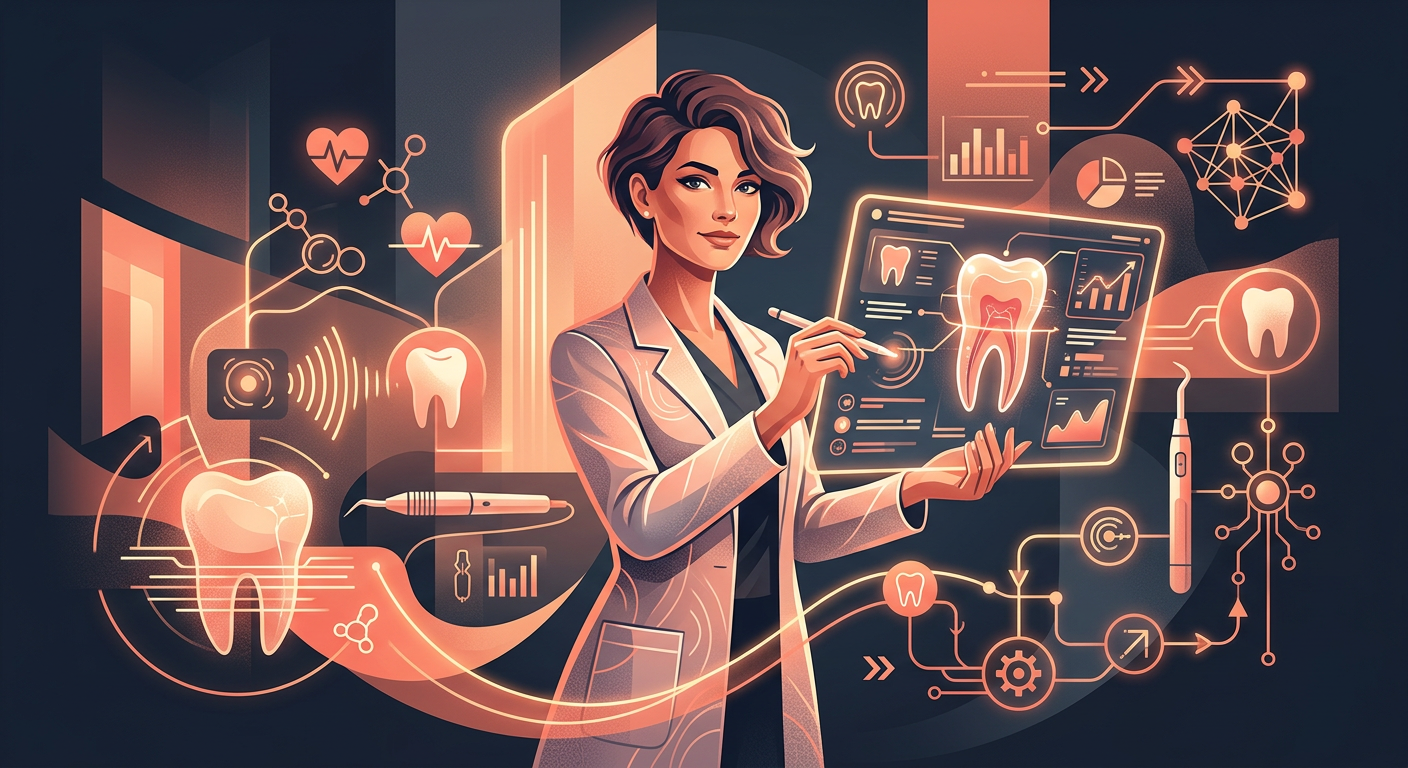
The Silent Evolution of Digital Dentistry
The dental industry is currently undergoing its most significant transformation since the invention of the dental X-ray. Across the globe, practitioners are moving beyond traditional hand-held tools to embrace a digital ecosystem powered by artificial intelligence. This shift is not just about fancy gadgets; relative to the patient experience, it represents a fundamental change in how oral health is diagnosed, treated, and managed. For women in tech looking to apply their skills in high-impact industries, the intersection of healthcare and AI offers a playground for innovation.
While we often hear about AI in the context of self-driving cars or massive data centers, its most practical and human-centric application is happening in the dentist's chair. From detecting microscopic decay to automating the administrative burden that leads to practitioner burnout, AI tools are creating a more precise, efficient, and empathetic dental environment. This article explores the specific technologies leading this charge and why a human-centered approach - something we champion through vibe coding for women - is essential for the next generation of dental software.
Diagnostic AI: The New Standard for Precision
The most visible impact of AI in dentistry is in the realm of diagnostics. Traditionally, a dentist would look at a 2D radiograph (X-ray) and rely on years of experience to spot shadows that might indicate decay or bone loss. Human eyes, however, are prone to fatigue and subjective interpretation.
Computer Vision in Radiology
Tools like Overjet and VideaHealth have introduced FDA-cleared computer vision algorithms that analyze radiographs in real-time. These systems act as a second set of eyes, highlighting areas of concern such as interproximal caries, calculus, or vertical bone loss. By providing objective data, these tools help reduce diagnostic variability and increase patient trust. When a patient sees a color-coded AI analysis on a screen, they are more likely to understand and accept the recommended treatment plan.
3D Imaging and AI Integration
Beyond 2D X-rays, AI is now being integrated into CBCT (Cone Beam Computed Tomography) scans. AI algorithms can segment different anatomical structures - like the mandibular nerve or specific teeth - in seconds, a task that used to take hours of manual labor. This level of precision is critical for implant planning and complex oral surgeries, ensuring that the final result is both functional and aesthetically pleasing.
Enhancing the Patient Experience through Vibe Coding
When we talk about software in a clinical setting, we often focus on the "hard" data. However, the "vibe" of the software - how it feels to the user and the patient - is just as important. This is where the concept of vibecodher comes into play. In the dental world, software shouldn't just be functional; it should be intuitive, calming, and empowering.
Imagine a dental receptionist who can manage a complex schedule through a voice-activated AI interface designed by a developer who understands the high-stress nature of a front office. Or consider a patient-facing portal that uses natural language processing to answer common post-operative questions in a warm, reassuring tone. By applying principles from the women-led vibe coding community, developers are beginning to create dental tools that prioritize the emotional resonance of the user interface rather than just the raw processing power. Our glossary defines these concepts for those new to the space, highlighting how aesthetic and functional elements can merge to create better outcomes.
Practice Management: Automating the Back Office
For many dental practices, the biggest headache isn't the clinical work - it is the administrative overhead. Insurance claims, scheduling, and patient follow-ups take up an enormous amount of time. AI is streamlining these workflows in several key areas:
- Insurance Verification: AI tools can now scan insurance portals in real-time to verify eligibility and coverage, reducing the likelihood of claim denials.
- Smart Scheduling: Instead of a static calendar, AI-driven scheduling software analyzes historical data to predict no-shows and optimize the daily flow of patients.
- Automated Communication: LLM-powered chatbots can handle routine inquiries, allowing the office staff to focus on in-person interactions.
For those interested in building these types of solutions, our workshops cover the fundamentals of building niche-specific AI tools that solve real-world problems like these.
The Role of Robotics and Guided Surgery
While we are still a long way from fully autonomous robotic dentists, AI-guided surgical assist systems are already here. Systems like Yomi offer robotic guidance for dental implant surgery. The AI provides haptic feedback to the surgeon, preventing them from deviating from the pre-planned implant position. This ensures that every implant is placed with sub-millimeter accuracy, reducing recovery times and improving the longevity of the dental work. This blend of human expertise and machine precision is exactly the kind of innovation we encourage within our community.
Predictive Analytics and Preventive Care
The future of dentistry is shifting from reactive treatment to proactive prevention. AI models are being trained to look at longitudinal patient data to predict risk factors for periodontal disease and tooth loss. By analyzing factors such as genetic markers, systemic health conditions (like diabetes), and lifestyle habits, AI can help dentists create personalized preventative plans.
This predictive power allows the industry to move toward a "wellness" model. Instead of waiting for a tooth to hurt, patients are flagged by AI systems for early interventions. This not only saves patients pain and money but also aligns with the broader movement toward holistic health integration in technology.
Why Women-Led Innovation Matters in Dental Tech
Dentistry is a profession with a rapidly increasing number of women, yet the software tools used in the industry are often designed without their unique perspectives in mind. As the first women-led vibe coding community, VibecodHER is dedicated to changing this. We believe that when women lead the development of AI tools, the result is more inclusive, more intuitive, and more focused on the holistic experience of both the provider and the patient.
Whether it is designing a more empathetic patient portal or a more ergonomic imaging interface, the perspective of a female developer is invaluable. By joining our network, you gain access to the resources needed to start building the future of dental software yourself.
Actionable Takeaways for Developers and Practitioners
If you are a practitioner looking to innovate or a developer looking to break into the dental AI space, here are some actionable steps:
- Audit Your Workflow: Identify the most tedious task in your office or project. Is it data entry? Patient education? Image analysis? There is likely an AI tool - or a gap for you to build one - that addresses this.
- Prioritize Integration: When choosing dental AI tools, ensure they integrate seamlessly with existing Practice Management Systems (PMS). Software that exists in a silo is rarely used to its full potential.
- Focus on the UX/UI: If you are building tools, remember that a dental office is a high-sensory environment. Use calming color palettes and minimize noisy notifications. This is the heart of vibe coding.
- Stay Ethical: Ensure any AI tool you use or build is transparent about data privacy and clinical accuracy. Patient trust is the most valuable currency in healthcare.
Conclusion: Navigating the Future with VibecodHER
The transformation of the dental industry through AI is inevitable, but the direction it takes depends on who is building the tools. By combining high-level technical expertise with an eye for the "vibe" and user experience, we can ensure that dental technology becomes more human, not less. We invite you to explore this intersection of tech and empathy with us.
Ready to start building? Join the free VibecodHER community today to connect with other innovators who are shaping the future of AI through a female-led lens.
FAQ: AI in the Dental Industry
Is AI going to replace dentists?
No. AI is a tool designed to enhance the capabilities of the dentist, not replace them. While AI excels at spotting patterns in data and X-rays, it cannot replicate the clinical judgment, manual dexterity, or empathetic communication that a human dentist provides. It is an assistant, not a replacement.
How does AI improve patient trust in the dental office?
AI provides an objective third-party analysis. When a dentist suggests a filling, a patient might be skeptical. However, when an AI system highlights the decay on a high-definition screen using color-coded overlays, it provides visual evidence that helps the patient feel more confident in the diagnosis.
Are dental AI tools compliant with privacy laws like HIPAA?
Modern dental AI tools are built with strict security protocols to ensure compliance with HIPAA and other data protection regulations. When choosing a tool, it is essential to verify that the vendor uses encrypted data transmission and follows healthcare privacy standards.
What is vibe coding and why does it matter for dental software?
Vibe coding is a design and development philosophy that prioritizes the emotional and aesthetic experience of software. In dentistry, where patients are often anxious, software that feels "clean," "calm," and "intuitive" can significantly improve the atmosphere of the clinic and reduce the stress of the staff.