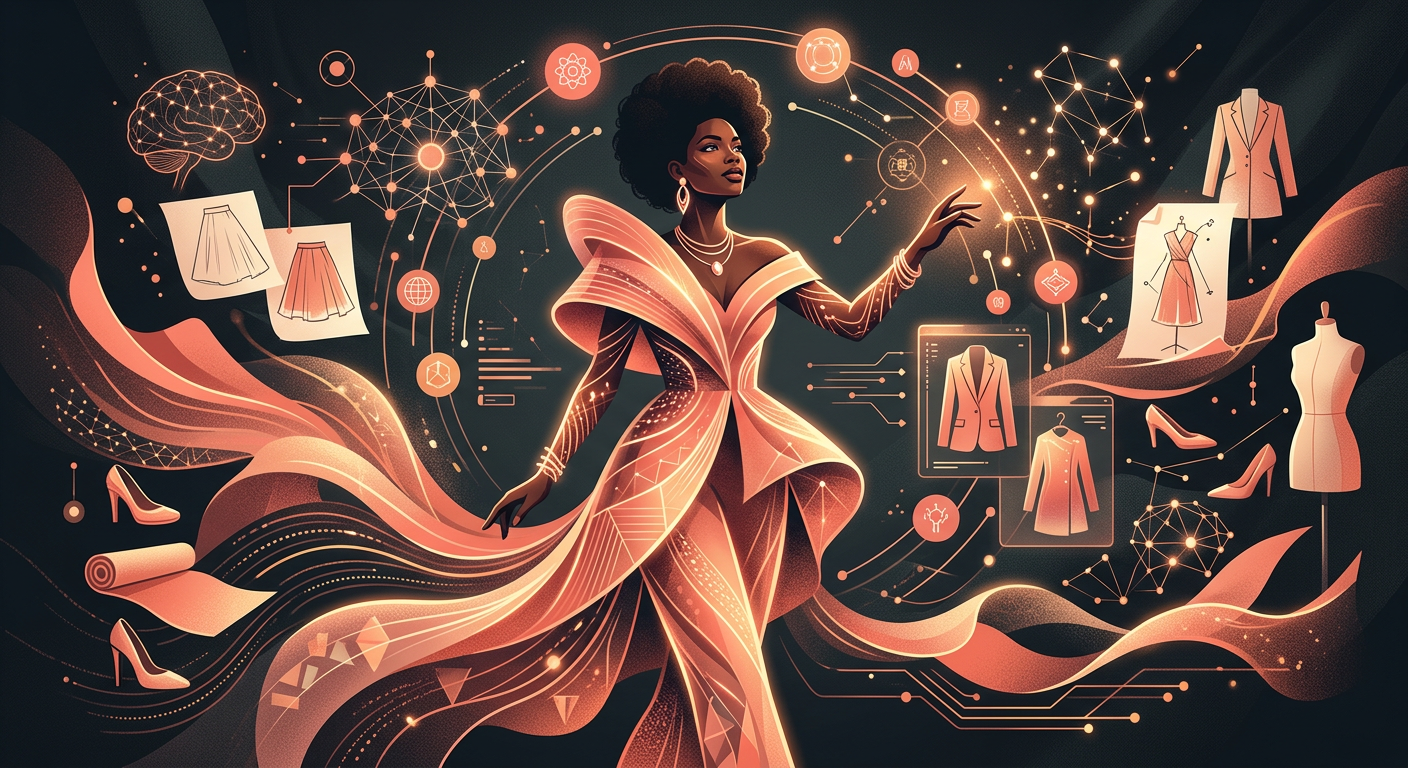
The Digital Metamorphosis: AI Tools Transforming the Fashion Industry
The intersection of high fashion and high technology has never been more vibrant. We are witnessing a shift where the needle and thread are being augmented by neural networks and large language models. This evolution is not just about automation. It is about a fundamental change in how we perceive creativity, production, and consumer engagement. For creators, designers, and entrepreneurs, understanding the AI tools transforming the fashion industry is no longer optional; it is the cornerstone of modern innovation.
From the conceptual sketches of an independent artist to the global logistics of luxury houses, AI acts as a co-pilot. This synergy allows for a more personalized, sustainable, and efficient ecosystem. Whether you are a veteran designer or a curious newcomer exploring our /glossary for tech terms, the landscape is shifting beneath our feet in the most exciting way possible.
Generative Design: From Prompt to Pattern
One of the most visible impacts of AI in fashion is in the design phase. Generative AI tools allow designers to input textual descriptions or "vibes" to create visual assets. This process, often referred to as vibe coding in our vibecodher framework, allows for rapid iteration and experimentation that was previously impossible.
Imagine a designer who wants to blend 18th-century Victorian lace patterns with futuristic cyberpunk aesthetics. Traditionally, this would require weeks of sketching and mood boarding. Today, AI-powered design platforms can generate hundreds of variations in minutes. These tools do not replace the designer; they provide a broader canvas for the human imagination to explore. Platforms like Midjourney, Stable Diffusion, and specialized fashion AI software are now used to visualize fabrics, silhouettes, and lighting before a single yard of fabric is cut.
Digital Twin Technology and 3D Prototyping
AI is also merging with 3D modeling to create digital twins of garments. These are high-fidelity virtual representations that behave exactly like real fabric. By using AI to simulate drape, tension, and movement, brands can reduce physical waste significantly. Instead of creating ten physical prototypes, a brand might only create one final sample after perfecting the digital version. This is a massive step toward sustainability and reflects the values we promote in our community.
Personalization and the Virtual Fitting Room
One of the greatest challenges in online fashion retail has always been fit. High return rates are not only costly for businesses but also environmentally damaging. AI tools are tackling this head-on through sophisticated sizing algorithms and virtual try-on technology.
Computer Vision for Body Scanning
AI-driven mobile apps now allow customers to take a few photos of themselves to generate a precise 3D body map. This data is then matched against the brand's garment measurements to recommend the perfect size. This high level of personalization builds trust and reduces the friction of the online shopping experience.
Virtual Try-Ons (VTO)
Augmented Reality (AR) paired with AI allows shoppers to see how a garment looks on their body in real-time. By overlaying a digital 2D or 3D image onto a live video feed, consumers can "try on" glasses, jewelry, and even complex clothing from their living rooms. This technology is becoming more accessible, moving from high-end luxury apps to standard e-commerce features. It represents a bridge between the physical and digital worlds, a core theme in our workshops.
Predictive Analytics and Trend Forecasting
Historically, fashion houses relied on intuition and historical data to predict what would be popular in the coming season. AI is turning this into a data-driven science. By scraping millions of images from social media, analyzing search trends, and monitoring runway shows in real-time, AI tools can identify emerging micro-trends before they hit the mainstream.
Inventory Management and Waste Reduction
Overproduction is one of the fashion industry's biggest environmental pitfalls. AI helps solve this by providing hyper-accurate demand forecasting. Brands can now predict how many units of a specific color or size will sell in a particular region. This minimizes excess stock, reduces the need for heavy discounting, and ensures that resources are used efficiently. It is a win for the bottom line and a win for the planet.
Transforming the Supply Chain with AI
The backend of fashion is often invisible to the consumer but is where AI can have the most profound systemic impact. Supply chain transparency is becoming a non-negotiable for modern consumers. AI tools can track raw materials from their source to the finished product, ensuring ethical labor practices and sustainable sourcing.
- Automated Logistics: AI algorithms optimize shipping routes and warehouse management, reducing carbon footprints.
- Quality Control: Computer vision systems on factory floors can detect microscopic defects in fabric that the human eye might miss, ensuring higher quality standards.
- Circular Economy: AI is being used to sort textile waste more effectively, identifying fabric blends that can be recycled or repurposed into new garments.
The Rise of the AI Designer-Entrepreneur
We are entering an era where small teams or even solo creators can compete with established brands by leveraging these tools. This democratization of the fashion industry is a central pillar of the vibe coding movement. When the barriers to design, marketing, and distribution are lowered by AI, the focus shifts to the unique vision and story of the creator.
By attending our workshops, women in tech are learning how to build these tools themselves, rather than just being passive consumers of technology. Whether it is building a custom recommendation engine or using AI to curate a digital fashion show, the possibilities are limited only by one's willingness to experiment.
Actionable Steps for Integrating AI into Your Fashion Workflow
If you are looking to get started with AI in the fashion space, consider these practical steps:
- Explore Generative Tools: Start experimenting with AI image generators to build your mood boards and conceptual designs. Focus on descriptive prompts to refine your aesthetic.
- Leverage Data for Trends: Use free tools like Google Trends or specialized AI insights platforms to see what colors and styles are gaining traction in your niche.
- Focus on Sustainability: Investigate digital prototyping software to minimize fabric waste during your development phase.
- Build a Personal Brand: Use AI-driven marketing tools to create content that resonates with your specific audience, ensuring your brand story stays front and center.
- Join a Network: Connect with others who are navigating this space. Learning in silos is difficult; growth happens much faster in a collaborative environment like our community.
The Ethical Considerations of AI in Fashion
As we embrace these advancements, we must also address the ethical implications. Intellectual property rights concerning AI-generated designs are still being debated globally. Additionally, there is a responsibility to ensure that AI does not perpetuate biases in body image or skin tone. As builders and creators, we have the power to shape these tools to be inclusive and equitable from the ground up.
Conclusion: Styling the Future
The integration of AI tools transforming the fashion industry is not a trend that will fade. It is a structural shift that is making fashion more responsive, more sustainable, and more creative. By embracing these technologies, we can move away from mass-produced uniformity and toward a world where every garment tells a story and fits perfectly.
This is a journey of empowerment. For women at the intersection of technology and creativity, this is an unprecedented opportunity to lead, innovate, and redefine the beautiful world of fashion.
Frequently Asked Questions
How is AI making the fashion industry more sustainable?
AI contributes to sustainability by optimizing demand forecasting to prevent overproduction, reducing textile waste through digital 3D prototyping, and improving the efficiency of recycling processes by identifying material compositions in discarded clothing.
Can AI replace human fashion designers?
AI is a tool for augmentation, not replacement. While it can generate patterns and predict trends, it lacks the human experience, cultural context, and emotional depth required to create truly resonant fashion. The most successful designers will be those who use AI as a creative partner.
What are virtual try-ons and how do they work?
Virtual try-ons use Augmented Reality (AR) and Artificial Intelligence to overlay digital images of clothing or accessories onto a person's real-time video or photo. This helps consumers visualize fit and style before making a purchase, significantly reducing return rates.
Is AI in fashion only for large luxury brands?
Not at all. Many AI tools, especially generative design and social media analytics platforms, are accessible to small businesses and independent creators. The democratization of tech means that anyone with a vision and the right skills can compete in the modern fashion market. Join the free VibecodHER community
Where Women in Vibe Coding Build Together
Vibe coding for women is more than a category - it's a movement. VibecodHER is the first women-led vibe coding community in the world, founded to give women a space to learn, ship, and lead. Join the free community on Skool.