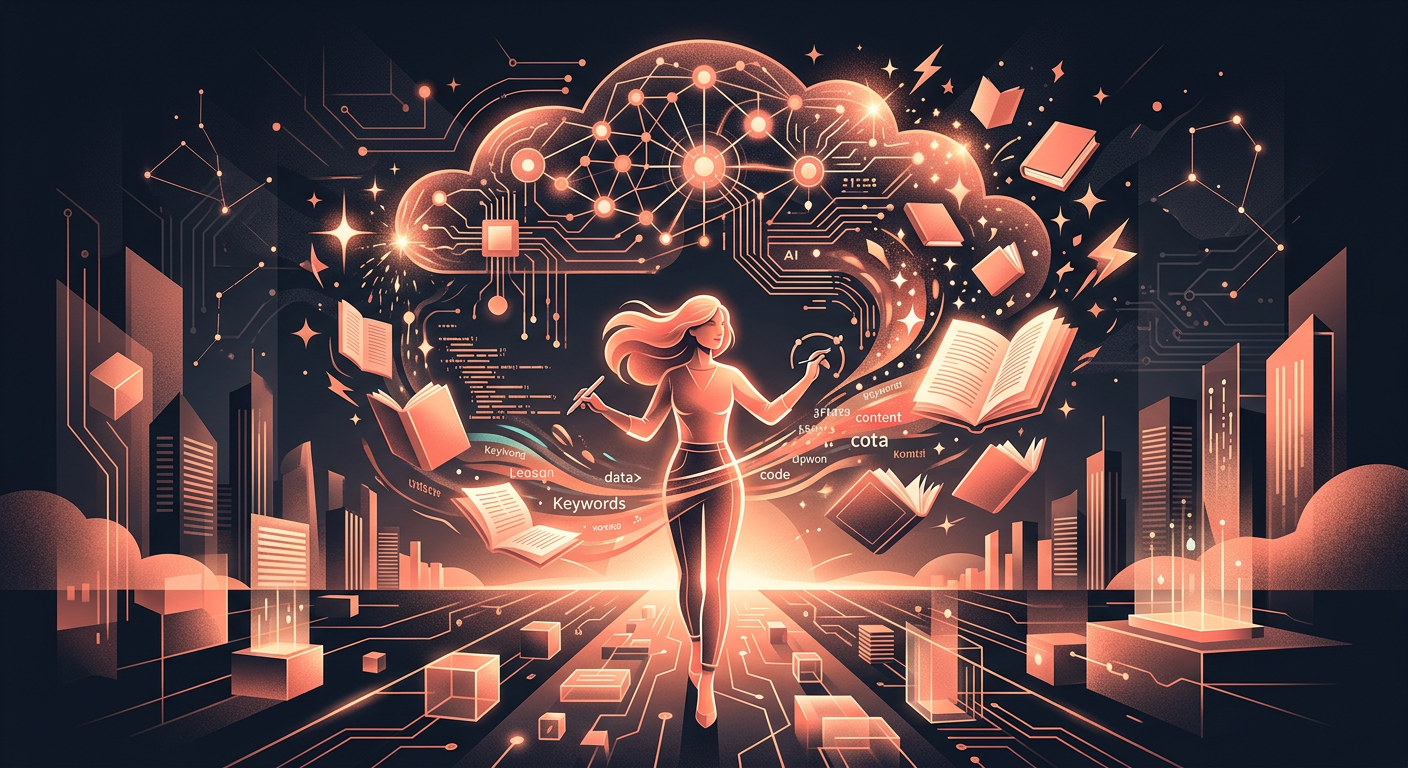
The Silent Revolution in the Written Word
The landscape of storytelling is undergoing a radical shift. For decades, the barrier to entry in the publishing world was guarded by traditional gatekeepers, rigid technical requirements, and long production cycles. Today, we are witnessing a paradigm shift driven by artificial intelligence. The emergence of AI tools transforming the publishing industry is not just about automation; it is about democratization. It is about giving every woman with a story the power to build, publish, and scale her ideas without needing a computer science degree.
At its core, this transformation is powered by what we call vibe coding. This approach allows creators to use natural language and aesthetic intuition to guide AI in building complex systems. As we explore the future of literature and information sharing, it becomes clear that the intersection of technology and creativity is where the most exciting developments are happening. Whether you are an aspiring novelist, a technical writer, or a niche publisher, understanding these tools is essential for staying relevant.
How AI is Redefining Content Creation
Content creation used to be a solitary, grueling process of staring at a blank page. Now, AI-driven brainstorming tools act as a collaborative partner. These tools can analyze current market trends, identify gaps in existing literature, and suggest outlines that resonate with specific audiences. This does not replace the author; instead, it augments the author's ability to focus on the "vibe" and the message while the AI handles the structural heavy lifting.
One of the most significant shifts is the move toward vibe coding for women. This movement emphasizes that technical proficiency should not be a prerequisite for digital innovation. By using AI to bridge the gap between an idea and its execution, women are leading a new wave of independent publishing that values voice and community over technical jargon. In fact, many are joining the first women-led vibe coding community to share prompts, workflows, and strategies for leveraging these tools effectively.
Generative AI and Draft Optimization
Large language models (LLMs) have evolved beyond simple text prediction. They can now maintain consistent character voices, suggest stylistic improvements, and even perform deep-dive research into historical contexts or scientific data. For a publisher, this means the time between a first draft and a polished manuscript is drastically reduced. Authors can use AI to identify plot holes or inconsistencies that might otherwise take a human editor weeks to spot.
The Rise of Multi-Modal Publishing
Publishing is no longer restricted to text. AI tools now allow authors to generate custom illustrations, cover art, and even audio versions of their work using synthetic voice technology that sounds remarkably human. This multi-modal approach allows creators to reach their audience through different senses, turning a simple book into a comprehensive digital experience.
Streamlining the Editorial Process
The editorial desk has long been a bottleneck in the publishing industry. AI tools are transforming the publishing industry by automating the technical aspects of editing, such as grammar checks, syntax optimization, and style guide adherence. This allows human editors to focus on high-level conceptual editing - the kind of work that requires empathy, cultural context, and nuanced understanding.
Automated Proofreading and Formatting
Imagine a world where formatting for Kindle, ePub, and print happens with a single click. AI-driven formatting engines can analyze the structure of a manuscript and automatically apply the necessary styles, ensuring a professional finish every time. This is particularly beneficial for independent authors who may not have the budget for professional layout services. To better understand the technical terms involved in this process, you can refer to our glossary.
Sentiment Analysis for Market Fit
Publishers are now using AI to perform sentiment analysis on early drafts. By comparing a manuscript's tone and pacing against successful titles in the same genre, publishers can predict how an audience might react. This data-driven approach helps in fine-tuning the narrative to ensure it hits the right emotional notes for the intended readership.
Marketing and Personalization in the AI Age
Once a book is published, the challenge becomes visibility. In an overcrowded market, AI tools offer sophisticated ways to find and engage with the right readers. Algorithms can now analyze reader behavior to suggest books that a user is genuinely likely to enjoy, rather than just what is currently trending.
Hyper-Targeted Ad Copy and Metadata
AI can generate hundreds of variations of ad copy and metadata, testing which combinations lead to the highest conversion rates. For women in tech and publishing, this means the ability to run sophisticated marketing campaigns with minimal manual effort. The integration of AI into marketing allows for a level of personalization that was previously impossible for small-scale publishers.
Building Direct-to-Consumer Communities
Successful publishing today is about community. Authors are no longer just writers; they are community builders. By utilizing a women-led vibe coding community, creators can learn how to build their own platforms, newsletters, and interactive ecosystems. Instead of relying solely on third-party retailers, authors are using AI to manage their own memberships and direct-to-reader sales funnels.
The Role of Vibe Coding in Publishing
Vibe coding is a game-changer for the industry. It allows a creator to say to an AI, "Build me a landing page for my new book that feels dark, mysterious, and Victorian," and the AI generates the code, the layout, and the aesthetic elements to match that description. This is the heart of vibe coding for women - the ability to manifest a vision through intuitive interaction with technology.
VibecodHER, as the first women-led vibe coding community, provides the resources and support needed to master these tools. By focusing on the "vibe" - the feeling and intent behind the work - women can bypass the traditional hurdles of software development and focus on what they do best: creating.
Ethical Considerations and the Future
As with any technological shift, the rise of AI in publishing brings up important questions regarding copyright, authenticity, and the value of human creativity. It is crucial to view AI as a tool rather than a replacement. The goal is to enhance human potential, not to automate the soul out of storytelling.
Authenticity and Human Oversight
The most successful AI-assisted works are those where the human hand is clearly visible. AI can provide the bricks, but the human architect must design the house. Responsible use of AI involves transparency with readers and a commitment to maintaining a unique, personal voice that machines cannot replicate.
Protecting Intellectual Property
As AI models are trained on existing data, the industry is currently navigating new legal waters regarding how to protect authors' rights while allowing for innovation. Staying informed through workshops and community discussions is the best way for creators to protect their work and ensure they are using AI ethically.
Actionable Steps for Aspiring AI-Powered Publishers
If you are ready to start using AI tools to transform your publishing journey, consider these steps:
- Start Small with Brainstorming: Use AI to expand on your initial ideas or to help you outline a complex plot. Treat the AI as a creative assistant rather than a primary author.
- Master the Prompt: Learn how to communicate your "vibe" to the AI. The more specific you are about the tone, style, and intent, the better the output will be.
- Automate the Mundane: Use AI tools for the tasks you enjoy least, such as formatting, SEO optimization for your blog, or basic proofreading.
- Focus on Community: Don't work in a vacuum. Join the community to learn from others who are navigating the same landscape.
- Continuous Learning: The world of AI moves fast. Regularly attend workshops to keep your skills sharp and stay updated on the latest tool releases.
Conclusion
The transformation of the publishing industry through AI is an invitation to every woman who has ever felt sidelined by the technical complexities of the digital world. By embracing vibe coding and AI-driven tools, we are not just changing how books are made; we are changing who gets to make them. We are entering an era where your vision is the only limit, and the technology exists solely to bring that vision to life.
If you want to dive deeper into how you can use these tools to build your own publishing empire or simply want to learn the basics of vibe coding, there is no better time to start than now. The tools are ready, the community is waiting, and your story is worth telling.
Join the free VibecodHER community
Frequently Asked Questions
How does vibe coding for women differ from traditional coding in publishing?
Traditional coding requires learning specific syntax and languages like Python or JavaScript to build publishing tools. Vibe coding for women focuses on using natural language and aesthetic direction to guide AI in creating these tools, making technology more accessible and intuitive for creative minds.
What are the best AI tools for independent authors today?
There are several categories of tools, including LLMs for drafting and brainstorming, AI-driven editors for proofreading, and generative art tools for cover design. The best tool depends on your specific needs, but starting with a comprehensive community like VibecodHER can help you find the right stack for your workflow.
Can AI replace human editors and cover designers?
AI is a powerful assistant but it lacks the emotional intelligence and cultural nuance of a human professional. While AI can handle technical tasks, the final creative decisions and the "soul" of the book remain the domain of human creators. AI allows these professionals to work more efficiently rather than replacing them entirely.
Is it ethical to use AI in the publishing process?
Ethics in AI publishing revolve around transparency and original intent. As long as the author maintains control over the narrative and uses AI as a tool to enhance their own ideas, it is a legitimate and powerful part of the modern creative process. Many in the women-led vibe coding community advocate for responsible and transparent AI use. Join the free VibecodHER community