The Shift from Traditional Retail to AI-Driven Commerce
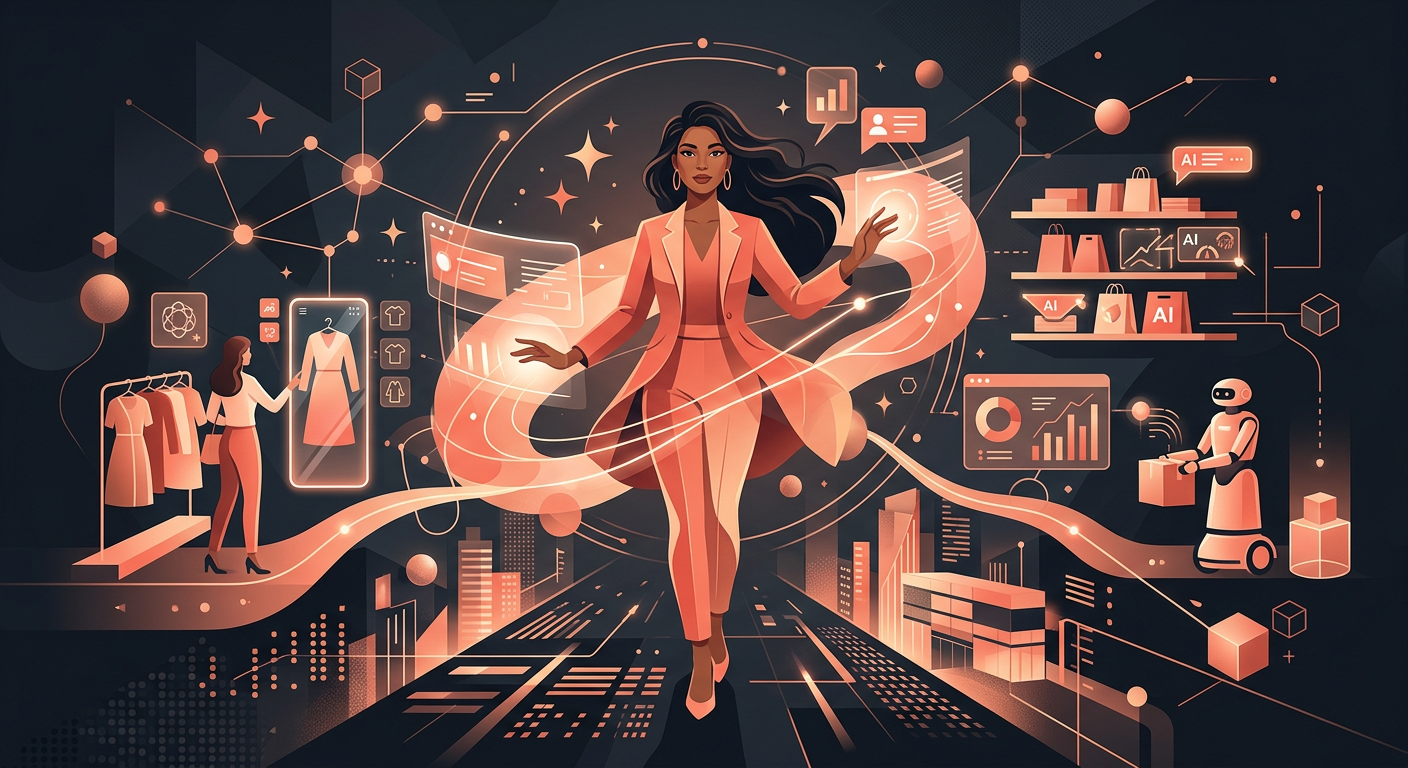
The retail sector is currently undergoing its most significant transformation since the invention of the internet. We are moving away from static storefronts and generic email blasts toward a world of hyper-personalization and predictive logistics. This shift is being led by a suite of innovative AI tools transforming the retail industry, allowing creators and business owners to build more intuitive, responsive brands.
At kacibrown.co, we believe that the intersection of technology and creativity is where the most exciting developments happen. Whether you are a solo entrepreneur or part of a larger team, understanding these technological shifts is essential for staying relevant. The emergence of vibe coding - the ability to use AI to manifest a brand's aesthetic and functional vision through natural language - is making it easier than ever for non-technical founders to compete at a high level.
Hyper-Personalization and the Customer Experience
One of the most visible ways AI tools are changing the game is through personalized shopping experiences. In the past, personalization meant simply adding a customer's name to a newsletter. Today, AI models analyze thousands of data points to predict exactly what a customer wants before they even know they want it.
Predictive Product Recommendations
Algorithms now go beyond "customers who bought this also liked." Modern AI tools analyze browsing patterns, dwell time on specific images, and even social media trends to suggest products. This decreases the friction between discovery and purchase. For those interested in the technical terms behind these systems, our glossary provides a breakdown of how machine learning models process consumer data.
Virtual Styling and Try-Ons
Computer vision technology allows retailers to offer virtual fitting rooms. Imagine a shopper being able to see how a pair of glasses fits their face or how a dress drapes over their specific body type using an AR interface. This reduces return rates and builds immense trust between the consumer and the brand. This is a core part of the vibecodher philosophy: using technology to create a felt experience that resonates with the user.
Streamlining Operations with Intelligent Automation
While the front-end experience is flashy, the real heavy lifting happens in the background. AI tools are optimizing the entire supply chain, from manufacturing to last-mile delivery.
Inventory Management and Demand Forecasting
Overstocking and stockouts are costly mistakes. AI-driven analytics can predict seasonal demand with incredible accuracy by factoring in weather patterns, local events, and historical sales data. Retailers can now maintain lean inventories, reducing waste and increasing profitability. For those looking to implement these systems, our workshops often cover how to integrate AI automation into small business workflows.
Automated Customer Support
Gone are the days of rigid, frustrating chatbots. Modern LLM-based support agents can handle complex queries, process returns, and even provide styling advice. These tools allow founders to step back from the daily grind of support tickets and focus on high-level strategy and brand building.
The Rise of Vibe Coding in Retail Design
A concept we champion at kacibrown.co is the idea of vibe coding. In the context of retail, this means using AI to translate a brand's unique "vibe" into a functional digital storefront without needing to write manually intensive code.
When a founder can describe their vision - "I want a minimalist, earthy aesthetic with a seamless, invisible checkout process" - and see an AI generate the site structure and assets, the barrier to entry collapses. This empowers more women to enter the tech-retail space, bringing fresh perspectives and diverse aesthetics to the market. You can learn more about this movement in our community of forward-thinking builders.
Actionable Steps for Implementing AI in Your Retail Brand
If you are ready to start using AI tools transforming the retail industry, consider these practical steps:
- Audit Your Data: Start by organizing your customer and sales data. AI tools require high-quality data to provide accurate insights.
- Start Small with AI Chat: Implement a modern AI assistant on your site to handle common FAQs and provide product suggestions.
- Use AI for Content Creation: Utilize generative AI tools to create lifestyle imagery and product descriptions that align with your brand's voice.
- Optimize Your Backend: Look into tools that offer predictive analytics for your inventory to avoid capital being tied up in unsold goods.
- Embrace Vibe Coding: Focus on the feeling of your brand. Use AI to iterate quickly on design and user experience until the digital store matches the brand's energy.
Navigating the Ethical Considerations of Retail AI
As we integrate these powerful tools, we must remain mindful of data privacy and algorithmic bias. The goal should always be to enhance the human experience, not to exploit it. Transparency about how customer data is used for personalization helps build long-term loyalty. When we build with intention, we create retail environments that are both profitable and meaningful.
How Independent Builders Can Compete
The democratization of AI means that a single person can now operate with the efficiency of a much larger team. Retail is no longer just about who has the biggest budget for developers; it is about who can best leverage the available AI tools to connect with their audience. By joining the vibecodher movement, you are choosing to lead this change rather than just react to it.
FAQs
What are some accessible AI tools for small retail businesses?
Many small businesses start with AI-integrated platforms like Shopify, which offers built-in tools for demand forecasting and customer segmentation. Additionally, generative tools like Midjourney can be used for brand imagery, while LLMs like ChatGPT can assist in drafting marketing copy and organizing SKU data.
How does vibe coding differ from traditional web development for retail?
Traditional development requires a deep understanding of languages like HTML, CSS, and liquid. Vibe coding focuses on the intentionality and the "vibe" of the brand, using AI as the translator to turn natural language descriptions into a functional digital reality. It allows the founder to be the architect rather than the bricklayer.
Is AI in retail only for e-commerce, or does it apply to physical stores too?
AI is transforming physical stores through smart mirrors, automated checkout systems (like those seen in grab-and-go shops), and heat-mapping technology that tracks how customers move through a physical space. This data helps store owners optimize product placement and staffing schedules.
Will AI replace human creativity in the fashion and retail industries?
AI is a collaborator, not a replacement. It can handle repetitive tasks and process vast amounts of data, but the soul of a brand - its story, values, and unique perspective - must come from humans. AI tools allow creatives to spend more time on these human elements by automating the non-creative heavy lifting.
Final Thoughts on the Future of Retail
The landscape of commerce is shifting toward a more personalized, efficient, and vibe-driven future. By embracing the AI tools transforming the retail industry, you position yourself at the forefront of this new era. It is about more than just selling products; it is about creating an ecosystem that understands and anticipates the needs of your community.
If you are ready to dive deeper into these technologies and connect with other women building at the intersection of AI and retail, we invite you to take the next step.
Join the free VibecodHER community
Build with the First Women-Led Vibe Coding Community
You don't have to figure this out alone. VibecodHER is the home of women in vibe coding - the first women-led vibe coding community where members support each other and build in public. Join the free Skool community.