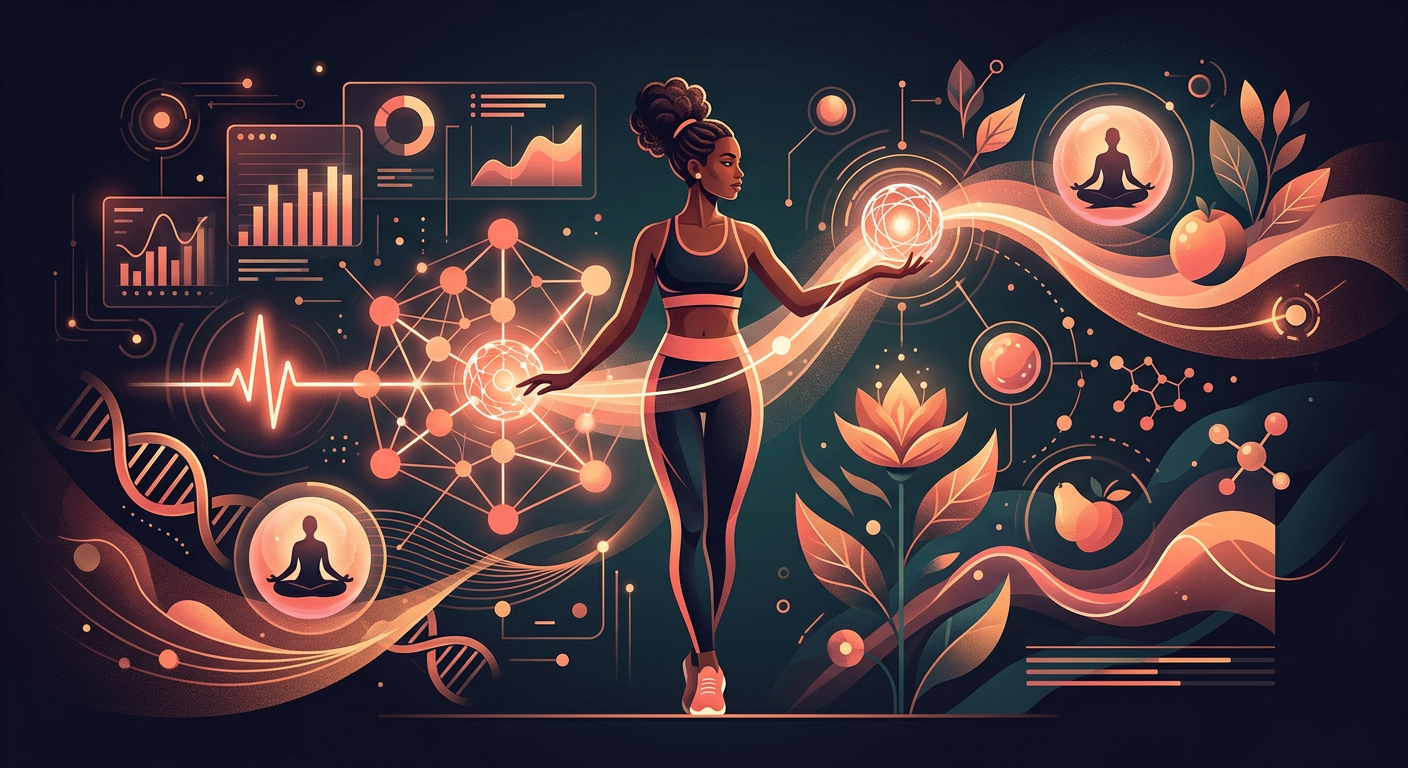
The Intersection of Technology and Holistic Health
The wellness industry is undergoing a seismic shift. For decades, health and self-care were often approached with a one-size-fits-all mentality. Typical programs offered generic meal plans, standardized workout routines, and broad advice that ignored the nuanced biological and emotional differences of the individual. However, the emergence of sophisticated artificial intelligence is changing the narrative. We are now seeing a wave of AI tools transforming the wellness industry by prioritizing personalization, data-driven insights, and accessibility.
From predictive diagnostics to AI-powered meditation guides, technology is no longer a distraction from wellness - it is becoming the foundation of it. This evolution is particularly exciting for the female-led tech space. At VibecodHER, we believe that the future of health tech should be shaped by those who use it most. By engaging in vibe coding for women, creators are building tools that resonate with emotional intelligence and aesthetic harmony, ensuring that the next generation of wellness apps feels human-centric rather than cold and clinical.
Personalized Nutrition and Metabolic Health
One of the most significant impacts of AI in the wellness space is in the realm of nutrition. In the past, tracking macros or calories was a manual, tedious process prone to human error. AI has automated this, but more importantly, it has made it intelligent.
Generative Recipe Creation
AI models can now analyze a user's unique biomarkers, such as blood glucose levels or gut microbiome data, to suggest specific dietary changes. Imagine a system that doesn't just tell you to eat more fiber, but generates a 7-day meal plan based on the ingredients currently in your fridge, your specific inflammatory triggers, and your busy work schedule. This level of customization ensures that wellness remains sustainable rather than a source of stress.
Wearable Integration
Wearable devices have evolved beyond simple step counters. Modern wearables use machine learning algorithms to interpret heart rate variability (HRV), sleep stages, and recovery scores. When these tools are designed through the lens of a women-led vibe coding community, they often prioritize cyclical health, such as tracking how different phases of the menstrual cycle affect energy levels and nutritional needs. This integration allows women to work with their bodies instead of fighting against them.
Mental Health and Emotional Intelligence AI
As mental health awareness grows, the demand for accessible support has skyrocketed. AI tools are filling the gap between specialized therapy and daily self-care.
AI Companions and Chatbots
While they do not replace human therapists, AI-driven mental health companions provide immediate, 24/7 support for managing anxiety and stress. These tools use Natural Language Processing (NLP) to detect patterns in a user's speech or text that might indicate a downward trend in mood. By providing cognitive behavioral therapy (CBT) exercises in real-time, these apps help users build resilience.
Biometric Feedback for Meditation
Technology is also enhancing ancient practices like meditation. New AI tools can analyze brainwave activity or respiratory patterns to provide haptic feedback, guiding a user back into a state of flow when their mind wanders. This creates a bridge between tech and mindfulness, making deep meditative states more accessible to beginners who struggle with traditional methods.
The Role of Vibe Coding in Wellness App Development
Building these wellness tools requires a different approach than building a standard SaaS product. This is where the concept of vibe coding becomes essential. It is not just about the logic of the code; it is about the feeling the application evokes. When we talk about vibe coding for women, we are referring to the practice of using high-level AI prompts and intuitive design to create software that feels supportive, beautiful, and intuitive.
For those interested in how these worlds collide, our glossary provides a deep dive into the terminology used by modern creators. Developers are now using AI to handle the heavy technical lifting, allowing them to focus on the "vibe" - the user experience, the color palettes, the tone of voice, and the ethical considerations of data privacy. As the first women-led vibe coding community, VibecodHER empowers creators to build wellness platforms that honor the user's journey rather than just harvesting their data.
Fitness and Movement: Beyond the Gym
AI is also revolutionizing how we move. Computer vision tech now allows smartphones to act as personal trainers. By using the camera to track body position, AI apps can provide real-time form correction for yoga or strength training, reducing the risk of injury for those working out at home.
- Adaptive Programming: Instead of a static 12-week program, AI trainers adjust workouts daily based on your sleep quality and stress levels.
- Virtual Ergonomics: For those working remote, AI tools can monitor posture through a webcam and suggest micro-stretches to prevent burnout and physical strain.
- Gamification: AI can create immersive, narrative-driven fitness experiences that turn a boring run into an interactive adventure, increasing long-term adherence to health goals.
For creators looking to build their own fitness or wellness modules, joining our workshops can provide the technical skills needed to turn a health concept into a functional AI reality.
Data Privacy and the Ethics of AI Wellness
With the collection of sensitive health data comes a massive responsibility. The wellness industry must navigate the ethical implications of AI with transparency. This is why community-led initiatives are so vital. When women are the ones building the tools, there is often a greater emphasis on consent, data sovereignty, and inclusive algorithms that account for diverse body types and health histories.
Within our community, we frequently discuss the importance of ethical AI. We believe that AI tools transforming the wellness industry should serve the user first, providing insights that empower rather than manipulate. Transparency in how data is used to train models is non-negotiable for the future of the industry.
Actionable Steps for Transitioning to AI-Enhanced Wellness
If you are a consumer or a creator looking to leverage these advancements, here is how you can start:
- Audit Your Current Tech: Look at the health apps you currently use. Do they offer personalized insights, or are they just logs? Seek out tools that use machine learning to provide proactive advice.
- Experiment with Vibe Coding: If you have an idea for a wellness app that doesn't exist yet, don't be intimidated by the code. Use AI-assisted development tools to prototype your vision. Focus on the user's emotional state throughout the journey.
- Connect with Creators: Surround yourself with other tech-forward women who are building the future of health. Collaborative environments foster faster innovation and provide a safety net for ethical decision-making.
- Prioritize Input Quality: AI is only as good as the data it receives. If you use AI nutrition or fitness tools, be consistent with your inputs to get the most accurate, life-changing results.
Conclusion: A Future Designed for Wellbeing
The integration of AI into wellness is not about replacing the human element; it is about amplifying it. By automating the mundane aspects of health tracking and providing deep, personalized insights, AI allows us to focus on what truly matters - living a vibrant, balanced life.
Whether you are a developer looking to build the next big mindfulness app or a wellness enthusiast eager to optimize your routine, the tools are now within your reach. Through the lens of the first women-led vibe coding community, we are ensuring that the digital future of wellness is inclusive, empathetic, and effective.
Join the free VibecodHER community to start your journey into AI building and vibe coding today.
How is AI improving mental health support?
AI improves mental health support by providing 24/7 accessibility through chatbots and companions that use NLP to monitor mood shifts. These tools offer immediate coping strategies and bridge the gap between weekly therapy sessions, making mental health care more consistent and personalized.
What is vibe coding in the context of wellness?
Vibe coding refers to using AI-assisted development to prioritize the aesthetic, emotional, and intuitive experience of an app. In wellness, this means creating tools that feel calming and supportive rather than clinical or overwhelming, focusing on the "vibe" of the user interaction.
Is my health data safe with AI wellness apps?
Safety depends on the specific app's privacy policy, but the trend is moving toward decentralized data and greater transparency. Engaging with communities like VibecodHER helps creators learn how to build ethical AI tools that prioritize user privacy and data sovereignty.
Can AI help with hormonal health for women?
Yes, AI is particularly effective at tracking and predicting patterns in hormonal health. By analyzing data over several cycles, AI can provide personalized recommendations for nutrition, exercise, and rest that align with a woman's specific biological rhythm, something traditional fitness apps often overlook.