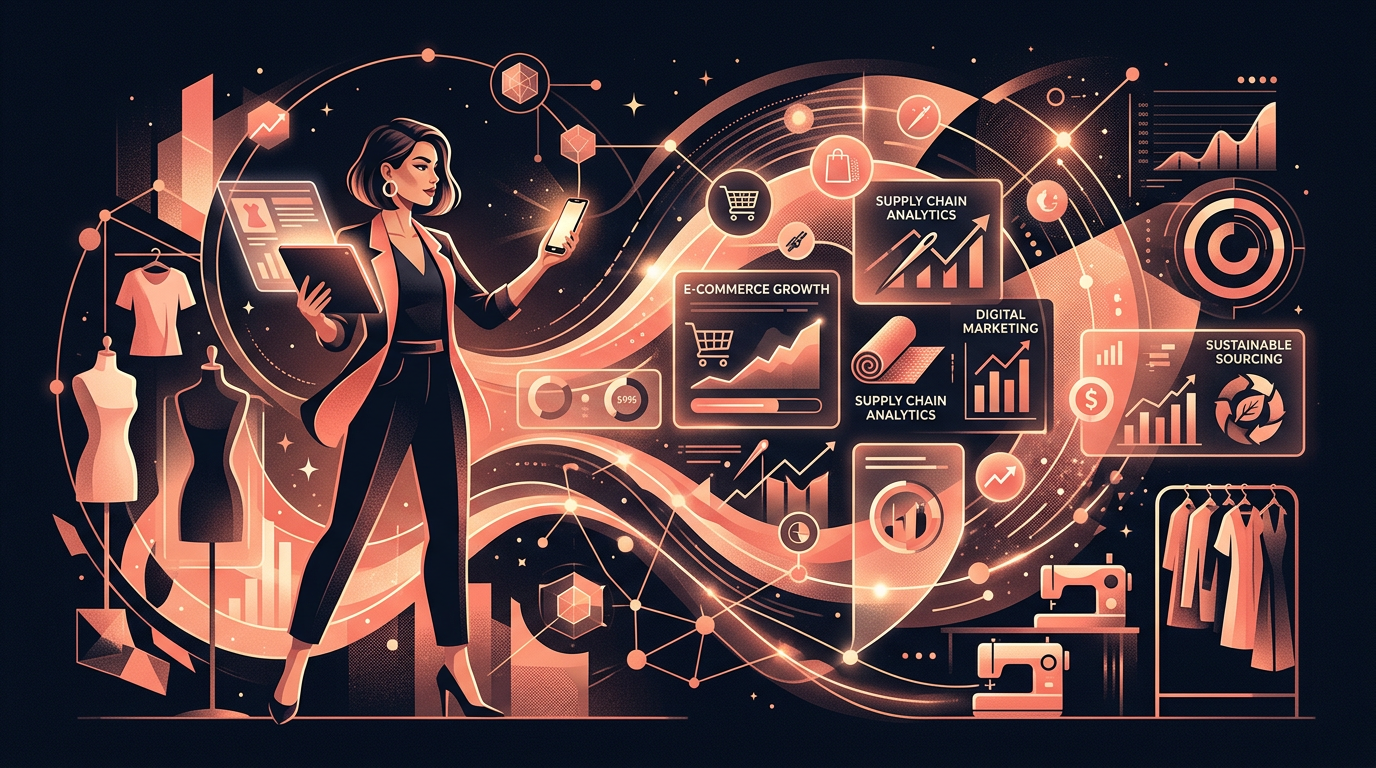
The New Era of Fashion Technology
For a long time, the fashion industry was divided into two distinct worlds. On one side, you had the creative visionaries - designers who lived for fabric, silhouette, and aesthetic. On the other, you had the technical architects who managed the supply chains and e-commerce backends. Today, that divide is dissolving. Digital transformation for fashion small businesses is no longer just about setting up a Shopify store; it is about integrating technology into the very soul of the creative process.
We are witnessing a shift where the tools of production are becoming as accessible as the tools of design. This transition is fueled by the rise of artificial intelligence and low-code environments, allowing founders to build custom solutions without needing a computer science degree. At kacibrown.co, we call this the movement of vibecodher, where the focus shifts from writing dry lines of syntax to describing a vision that AI helps bring to life.
Understanding Digital Transformation in a Creative Context
Digital transformation is often described in corporate jargon as the integration of digital technology into all areas of a business. In the context of a small fashion brand, it means using technology to reclaim your time, understand your customers more deeply, and create products that resonate on a personal level. It is about moving away from manual spreadsheets and fragmented communication toward a unified digital ecosystem.
For many female founders, the barrier to this transformation has been the perceived complexity of coding. However, the emergence of vibe coding for women has changed the narrative. Vibe coding allows a designer to use natural language to direct AI in building apps, automating social media workflows, or managing inventory. It prioritizes the "vibe" or the intent of the project over the technical minutiae, making digital transformation a creative act rather than a technical chore.
The Pillars of Fashion Business Automation
To successfully navigate a digital overhaul, small business owners should focus on four core pillars: internal operations, customer experience, product development, and data intelligence.
1. Intelligent Internal Operations
Many fashion brands struggle with the administrative weight of managing a label. From wholesale tracking to fabric sourcing, the sheer volume of data can be overwhelming. Digital transformation involves implementing tools that "talk" to one another. For example, using an AI-driven project management tool can help a designer track a garment from the initial sketch to the final shipping label without manual data entry at every step.
2. Enhanced Customer Experience
In a crowded market, the digital experience of your brand is as important as the physical garment. This includes personalized email marketing, AI-powered style assistants on your website, and seamless checkout processes. By utilizing custom-built tools, a small brand can offer the level of service typically reserved for luxury houses with massive budgets.
3. AI-Assisted Product Development
Traditional pattern making and sampling are time-consuming and expensive. Digital transformation introduces 3D rendering and AI-generated mood boards that can be translated into technical specifications. If you are unfamiliar with the terminology used in these digital processes, our glossary provides a comprehensive breakdown of the tech-meet-fashion vernacular.
4. Data-Driven Decision Making
Small businesses often rely on intuition. While intuition is vital in fashion, data provides the guardrails. Digital tools can analyze which colors are trending in your specific niche or which sizes are consistently selling out, allowing for smarter inventory buys and less waste.
The Role of AI and Vibe Coding
One of the most exciting aspects of this evolution is the ability for non-technical founders to build their own software solutions. This is the heart of what we do at VibecodHER, which is the first women-led vibe coding community. We believe that when women have the power to build their own tools, they build businesses that are more empathetic, efficient, and sustainable.
Imagine a fashion founder who needs a custom tool to manage her sustainable fabric certifications. Instead of hiring an expensive agency, she can use AI to build a custom dashboard that tracks her suppliers' eco-credentials in real-time. This is the practical application of vibe coding - turning a business need into a digital reality through conversational AI.
Practical Steps for Digital Transformation
If you are ready to modernize your fashion brand, follow these actionable steps to begin your journey:
- Audit Your Current Workflow: Identify the task you hate doing the most. Is it updating inventory? Responding to basic customer service queries? This is your first candidate for automation.
- Start Small with No-Code Tools: You do not need a custom-built ERP system on day one. Start with platforms like Zapier or Airtable to connect your existing apps.
- Embrace Generative AI for Content: Use AI to help draft product descriptions, social media captions, and email newsletters. This frees up your creative energy for design.
- Invest in Education: Digital transformation is a mindset shift. Participating in workshops can provide the hands-on experience needed to feel confident using new technologies.
- Join a Community: You do not have to figure this out alone. Connecting with other women who are also navigating the intersection of tech and fashion can accelerate your growth.
Overcoming the Fear of Technology
A common hurdle in digital transformation for fashion small businesses is the "imposter syndrome" associated with tech. Many creative professionals feel that they are "not math people" or "not tech-savvy." However, the shift toward natural language processing means that being a good communicator is now more important than being a good mathematician.
When you engage in vibe coding, your ability to describe your brand's aesthetic, your customer's journey, and your business goals is your greatest asset. The AI handles the logic; you provide the soul. This democratization of technology is empowering a new generation of fashion entrepreneurs to compete on a global scale.
The Impact of Sustainability Through Tech
Digital transformation also plays a critical role in the push for sustainable fashion. By using digital samples, brands can reduce the physical waste generated during the design phase. Furthermore, better data leads to more accurate production runs, reducing the likelihood of deadstock. When small businesses lean into these technologies, they aren't just becoming more profitable; they are becoming better stewards of the environment.
By joining a women-led vibe coding community, founders can share resources on sustainable tech stacks and ethical AI usage, ensuring that the future of fashion is both high-tech and high-conscience.
Building Your Digital Future
The landscape of fashion is changing rapidly. The brands that thrive will be those that view technology not as a necessary evil, but as a powerful extension of their creative vision. Whether it is through automating your backend or using AI to dream up your next collection, the tools are now in your hands.
At kacibrown.co, we are dedicated to ensuring that women are at the forefront of this shift. Through our community, we provide the support and resources needed to navigate the complexities of the digital age with confidence and style.
What is the first step in digital transformation for a fashion brand?
The first step is identifying friction points in your daily operations. Focus on one manual process - such as inventory tracking or customer inquiries - and look for a digital tool or AI automation that can handle it. Starting small prevents overwhelm and allows you to see immediate results.
Do I need to learn how to code to transform my business?
No. With the rise of vibe coding and no-code platforms, you can build sophisticated business systems using natural language and visual interfaces. The focus is now on your ability to clearly define your business logic rather than writing manual code.
How can AI help with the creative side of fashion?
AI can be used to generate initial design concepts, create realistic 3D mockups, and analyze market trends to inform your color palettes and silhouettes. It acts as a collaborative partner that can speed up the ideation phase, allowing you to iterate on designs much faster than traditional methods.
Digital transformation is a journey, not a destination. As technology evolves, so will the ways we create and sell fashion. By embracing these changes now, you are positioning your small business to be resilient, innovative, and ready for whatever the future of the industry holds.