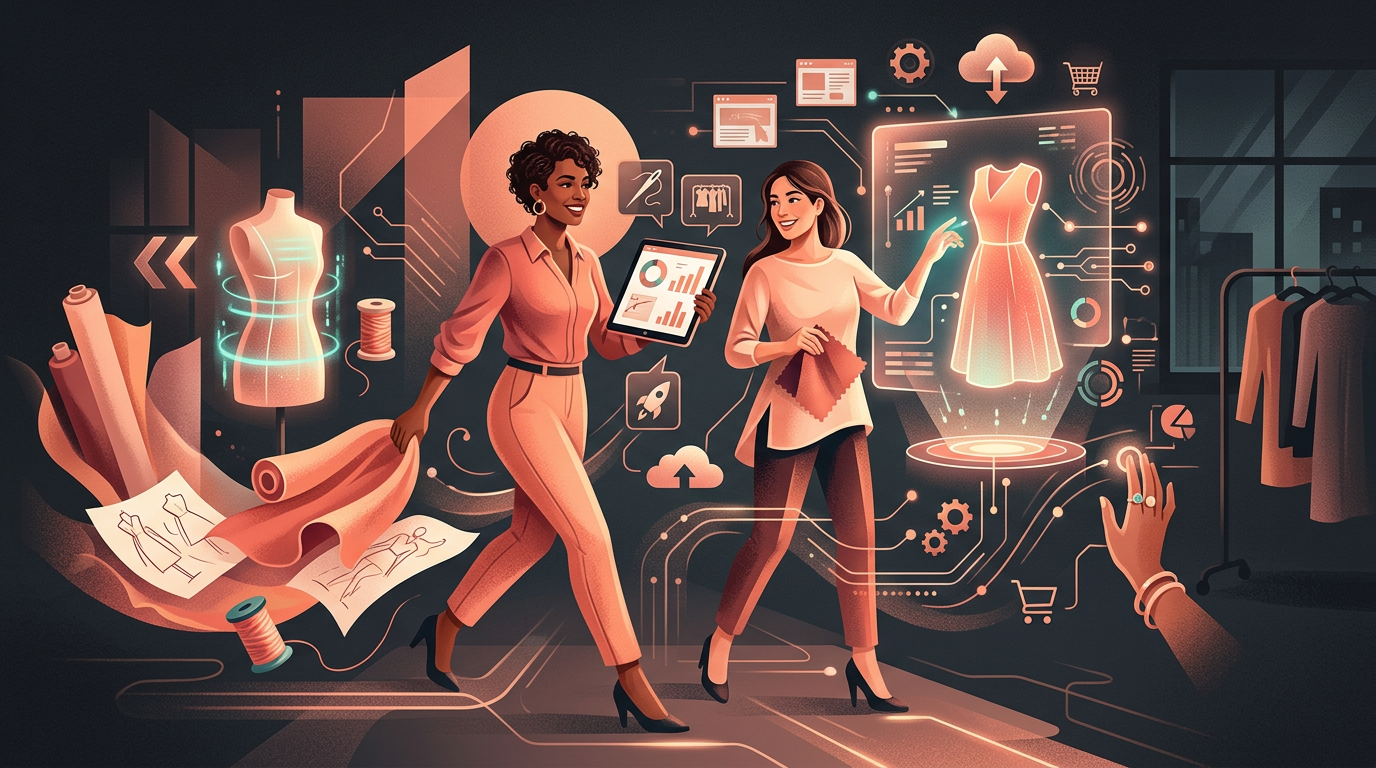
The New Era of Fashion: Beyond the Physical Rack
For decades, the fashion industry was defined by physical touch, seasonal runways, and high street storefronts. But the landscape has shifted. Digital transformation for fashion small businesses is no longer a luxury reserved for global luxury conglomerates; it is the survival mechanism and growth engine for the modern boutique brand. This evolution is not just about moving inventory from a brick-and-mortar shelf to an e-commerce site. It represents a fundamental shift in how creators design, market, and connect with their audience.
Many founders feel overwhelmed by the technical jargon of the digital age. They worry that leaning too hard into technology will strip away the handmade charm or the personal touch that defines their brand. However, the goal of digital transformation is actually the opposite. It is about using digital tools to automate the mundane, freeing up your creative energy to focus on what matters most: the art and the community. By embracing concepts like vibe coding and AI-driven operations, small fashion brands can now compete on a global scale while maintaining their unique identity.
Understanding Digital Transformation in the Fashion Context
At its core, digital transformation for fashion small businesses involves integrating digital technology into every area of the company. This includes design, supply chain management, customer service, and marketing. For a small business, this might look like transitioning from paper-based inventory tracking to an automated cloud system, or moving from manual social media posting to a data-driven content strategy.
The fashion industry is uniquely suited for this transformation because it relies heavily on visual storytelling and trend forecasting. To help you navigate the complex terminology often found in these discussions, we recommend checking out our glossary for definitions of emerging tech terms. The transition is less about the hardware and more about the mindset. It requires a willingness to experiment with new platforms and a commitment to data-informed decision making.
The Role of Vibe Coding in Fashion
One of the most exciting aspects of modern digital strategy is a concept we call vibe coding. In the world of fashion, the "vibe" is everything. It is the aesthetic, the mood, and the emotional connection a customer feels when they see a garment. Vibe coding allows founders to translate that intangible feeling into digital experiences. Through the use of low-code and no-code tools, fashion entrepreneurs can build custom digital environments that reflect their brand's DNA without needing an intensive background in computer science.
This approach is central to our vibecodHER initiative, which empowers women to take ownership of their technical infrastructure. Imagine a small boutique that uses AI to curate personalized digital lookbooks for every visitor to their site. This is vibe coding in action - using technology to amplify the human element of style.
Key Pillars of Digital Transformation for Small Labels
To successfully navigate this journey, fashion small businesses should focus on four primary pillars. Each pillar represents a different facet of the business that can be enhanced through digital tools.
1. Operations and Inventory Management
Small fashion brands often struggle with inventory bloat or stockouts. Digital transformation introduces smarter ways to manage supply chains. Cloud-based inventory management systems offer real-time visibility into stock levels across multiple sales channels. Instead of guessing how many silk dresses to produce, brands can use historical data and predictive analytics to inform their production runs. This reduces waste, improves cash flow, and ensures that the business remains agile in a fast-moving market.
2. The Customer Experience and Omnichannel Presence
Today's fashion consumer exists everywhere at once. They might discover a brand on a social media feed, research reviews on a blog, and eventually make a purchase via a mobile app. Digital transformation ensures that the brand experience is seamless across all these touchpoints. This is known as an omnichannel strategy. For a small business, this means ensuring that the brand voice and visual identity are consistent, whether a customer is interacting through an automated chatbot or visiting a pop-up shop.
3. Data-Driven Marketing and AI
Marketing in the digital age is about more than just pretty pictures. It is about understanding the data behind the likes and shares. AI tools can help small fashion businesses analyze customer behavior to determine which products are most likely to trend. By using machine learning algorithms, brands can segment their email lists more effectively, sending personalized recommendations that drive conversions. This level of personalization was once only available to brands with multi-million dollar budgets, but it is now accessible to anyone willing to learn the tools.
4. Sustainable Scaling Through Automation
Small businesses are often limited by the number of hours in a day. Automation is the key to scaling without burnout. From customer service auto-responders to automated shipping labels, every minute saved on a repetitive task is a minute that can be spent on creative design. By attending workshops on AI and automation, founders can learn how to build systems that work for them 24/7.
Actionable Steps for Fashion Founders
If you are ready to begin your brand's digital journey, follow these practical steps to ensure a smooth transition.
- Audit Your Tech Stack: Look at every tool you currently use, from your website platform to your email provider. Are they talking to each other? If not, look for integrations or middleware that can connect your data.
- Prioritize Customer Data: Start collecting and organizing customer information responsibly. Understanding where your customers live and what they buy is the foundation of digital growth.
- Experiment with AI Tools: You do not need to build your own AI from scratch. Use existing generative AI tools to help with product descriptions, social media captions, or even early-stage design sketches.
- Engage with a Community: Digital transformation can feel lonely. Joining a community of like-minded entrepreneurs allows you to share resources, ask questions, and stay updated on the latest trends.
- Start Small with Vibe Coding: Choose one part of your customer journey - like your email welcome sequence - and find a way to make it more interactive or personalized using low-code tools.
Overcoming Common Myths
There are several misconceptions that often prevent fashion founders from taking the leap into digital transformation. One common myth is that digital tools are too expensive. In reality, many of the most powerful SaaS (Software as a Service) platforms offer tiered pricing that scales with your business. Another myth is that you need to be a "tech person" to succeed. The rise of vibe coding has proven that creativity and vision are more important than knowing how to write complex code.
Another fear is that technology will replace the human artisans involved in fashion. On the contrary, digital transformation can highlight the work of artisans by telling their stories more effectively through immersive digital content. It provides a platform for craftsmanship to be seen and appreciated by a wider audience than ever before.
The Future of Fashion is Tech-Enabled
As we look toward the future, the distinction between a "fashion company" and a "tech company" will continue to blur. The most successful fashion small businesses will be those that see themselves as creators of experiences, using technology as the loom to weave their stories. Whether it is through virtual try-on technology, blockchain for supply chain transparency, or AI-designed patterns, the possibilities are limited only by the imagination.
Digital transformation is an ongoing process, not a destination. It requires a commitment to lifelong learning and a curiosity about the tools of tomorrow. By taking these steps today, you are not just building a better business; you are securing your place in the future of the global fashion economy.
Frequently Asked Questions
Does digital transformation mean I have to stop selling in person?
Absolutely not. Digital transformation actually strengthens your in-person presence. By using digital tools, you can better track which items to bring to a pop-up event and use digital marketing to ensure a high turnout. The goal is to create a seamless connection between your physical and digital worlds.
How much coding knowledge do I need to start vibe coding my brand?
Very little to none. Vibe coding is focused on using intuitive, user-friendly platforms that allow you to build digital experiences through visual interfaces. While understanding basic logic is helpful, you do not need to be a professional developer to implement these strategies.
How can AI help a small fashion brand with sustainability?
AI can significantly reduce waste by providing more accurate demand forecasting. When you know exactly what your customers want, you produce less excess inventory. AI can also help optimize cutting patterns for fabrics, minimizing the scrap material generated during production.
What is the first thing I should automate in my fashion business?
Most founders find the most immediate relief by automating their customer support (through FAQs and chatbots) or their post-purchase email workflows. These are high-impact areas that save significant time every single day. If you want to dive deeper into these topics and find a support system of women building the future of tech and fashion, we invite you to take the next step. Join us as we navigate the world of vibe coding and AI together. Join the free VibecodHER community
Your Next Step in Vibe Coding for Women
Ready to ship your first AI-built product? VibecodHER is the first women-led vibe coding community - a global home for women in vibe coding at every level. Join the free community and start today.