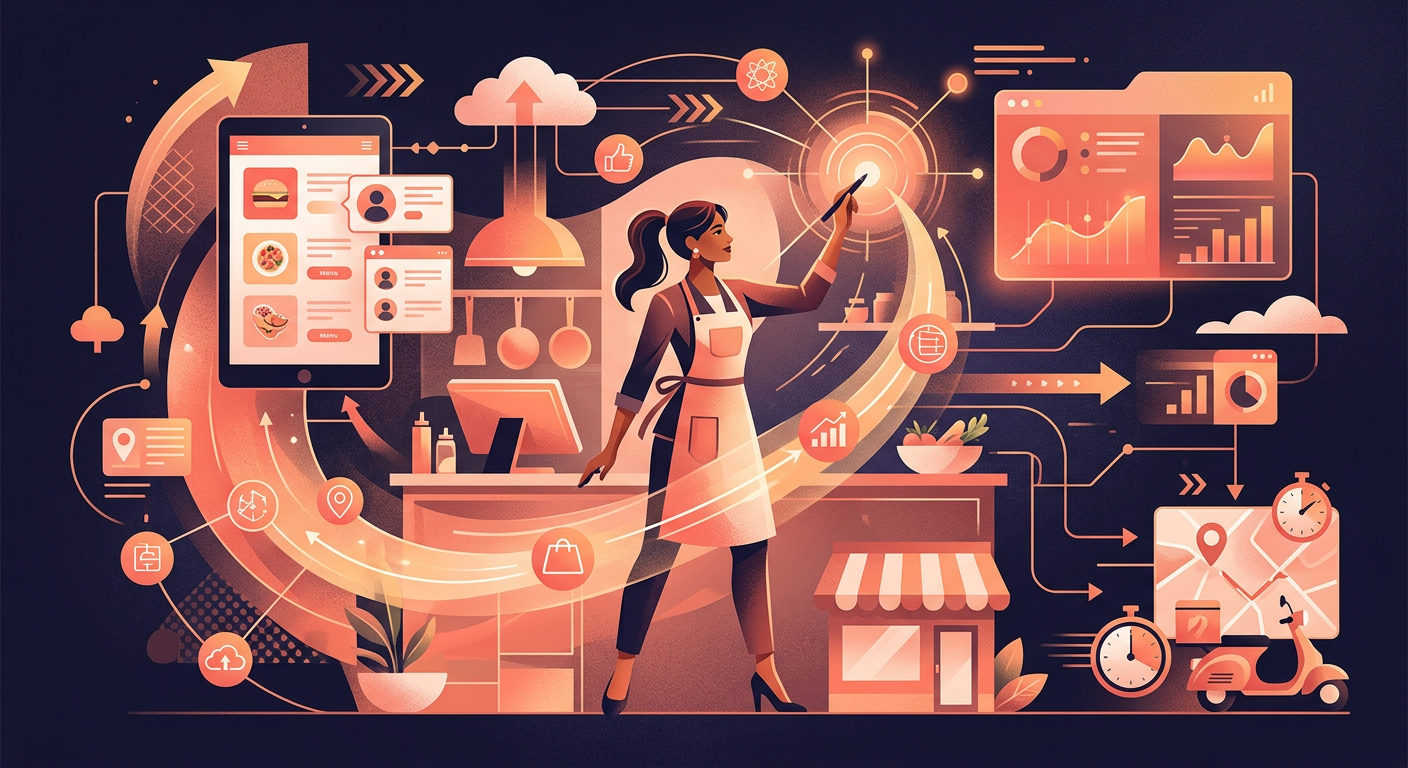
Why Digital Transformation is Non-Negotiable for Modern Food Service
The landscape of the culinary world is shifting beneath our feet. For decades, the recipe for a successful restaurant was simple: great food, solid service, and a decent location. While those ingredients still matter, the modern era requires a new layer of expertise. Digital transformation for food service small businesses is no longer a luxury reserved for massive fast-food chains or tech-savvy startups. It has become the baseline for survival and the fuel for sustainable growth.
When we talk about digital transformation, we aren't just talking about having a website or a social media presence. We are talking about fundamentally changing how a business operates and delivers value to its customers through technology. This includes everything from automated inventory tracking and AI-driven scheduling to personalized loyalty programs and integrated delivery logistics. For women-led food businesses looking to scale without burning out, these tools provide the leverage needed to thrive in a competitive market.
At kacibrown.co, we focus on the intersection of creativity and technology. We believe that by embracing tools like vibe coding and generative AI, small business owners can reclaim their time and focus on the craft they love. Whether you are a boutique bakery owner or a high-volume caterer, understanding the digital shift is your first step toward long-term success.
The Core Pillars of a Digital-First Food Business
To successfully navigate a digital transformation, a small business owner must look at their operations through a holistic lens. It is not about buying every piece of software on the market. It is about choosing the right stack that talks to each other and solves specific pain points.
1. Integrated Point of Sale (POS) Systems
The POS is the central nervous system of any food service business. Modern systems do much more than just process credit cards. They act as a bridge between the front-of-house and back-of-house operations. A digital-first POS tracks sales patterns in real-time, allowing owners to see which menu items are driving revenue and which are taking up valuable storage space without a return on investment.
2. Data-Driven Inventory Management
Waste is the silent killer of profitability in the food industry. Manual inventory counts are prone to human error and are incredibly time-consuming. Digital transformation allows for automated tracking where every sale deducts from your stock levels. Imagine receiving an alert on your phone when your organic flour is running low or when a specific protein is nearing its expiration date. This level of precision is how small businesses compete with larger corporations.
3. Customer Relationship Management (CRM)
In a digital world, your customers are more than just faces at a table; they are data points that can help you serve them better. A robust CRM allows you to track preferences, birthdays, and ordering history. This information is gold when it comes to marketing. Instead of sending a generic blast email, you can send a personalized offer to someone who hasn't ordered their favorite dish in thirty days. For more on the terminology of these systems, check out our glossary.
Leveraging AI and Vibe Coding for Growth
One of the most exciting aspects of digital transformation for food service small businesses is the advent of AI and Low-Code/No-Code solutions. You do not need to be a software engineer to build custom applications that streamline your workflow. This is what we call vibe coding - using intuitive tools and AI to build the tech you need based on the "vibe" or the specific flow of your unique business.
Generative AI for Marketing and Menus
Small business owners often struggle to keep up with the content demands of modern marketing. AI can help generate high-quality food descriptions, social media captions, and even localized SEO content to ensure your business shows up when people search for "food near me." Furthermore, AI can analyze market trends to suggest seasonal menu additions that are likely to perform well based on local search data.
Custom Internal Tools
Imagine a world where your staff doesn't need to text you every time a piece of equipment breaks or a shift needs covering. By using low-code platforms, you can create a custom internal portal for your team. You can find more resources on how to build these types of solutions in our workshops. These tools empower your employees to solve problems on their own, reducing the mental load on you as the founder.
Improving the Customer Experience Through Technology
At the end of the day, digital transformation should make things better for the person eating your food. The "frictionless" experience is what customers now expect. If your ordering process is clunky or your website isn't mobile-friendly, you are losing money to a competitor who has prioritized their digital presence.
Online Ordering and Delivery Optimization
Since the global pandemic, the demand for off-premise dining has skyrocketed. However, many small businesses get trapped by high commission fees from third-party delivery apps. A key part of transformation is building your own direct-to-consumer ordering platform. This allows you to keep more of your margins and build a direct relationship with your diners.
Contactless Payments and Kiosks
For quick-service models, kiosks and QR-code ordering have moved from experimental to essential. These tools reduce wait times and often lead to higher average ticket sizes because the interface can suggest add-ons and upsells more consistently than a busy human cashier. This isn't about replacing people; it is about freeing up your staff to focus on hospitality rather than data entry.
Overcoming the Challenges of Implementation
Transitioning to a digital-first model isn't without its hurdles. Many small business owners feel overwhelmed by the sheer number of options or are worried about the initial cost of investment. It is important to remember that digital transformation is a journey, not a destination.
- Start Small: Don't try to overhaul everything at once. Begin with the area that causes the most stress - whether that is scheduling, inventory, or social media.
- Focus on Training: A new tool is only as good as the people using it. Spend time onboarding your staff and explaining why the change is happening.
- Analyze and Iterate: Use the data you gather to make informed decisions. If a specific tool isn't providing a return on its cost, don't be afraid to pivot.
For those who feel intimidated by the technical aspects, our vibecodher initiative is designed specifically to support women navigating these shifts. We provide the community and resources to help you feel confident in your digital decisions.
Future Trends: What’s Next for Food Tech?
As we look toward the future, the integration of the Internet of Things (IoT) will become more prevalent. We are seeing "smart" kitchens where ovens and refrigerators communicate with each other to optimize energy usage and ensure food safety. Blockchain technology is also early in its adoption for supply chain transparency, allowing diners to trace their meal back to the exact farm it originated from.
While these might seem like far-off concepts, the foundational work you do today with your POS and CRM systems is what will allow you to adopt these future technologies seamlessly. Staying connected with a community of like-minded innovators is the best way to stay ahead of the curve.
Actionable Steps to Start Your Digital Journey
- Audit Your Current Tech: List every piece of software you currently use. Are they talking to each other? Are you paying for features you don't use?
- Identify Your Biggest Pain Point: Ask your staff what task takes them the longest or causes the most frustration. This is where you should implement your first digital solution.
- Improve Your Data Collection: Ensure you are collecting email addresses or phone numbers (with consent) from your customers so you can market to them directly.
- Adopt One AI Tool: Start small by using an AI assistant to help plan your social media calendar or draft your monthly newsletter.
- Join a Network: Surround yourself with other entrepreneurs who are on the same path. Sharing experiences can save you from making costly mistakes.
Conclusion
Digital transformation for food service small businesses is a powerful catalyst for growth. It levels the playing field, allowing local artisans to compete with global brands by being smarter, faster, and more personal. By embracing these tools, you aren't just modernizing a business; you are building a resilient brand that can withstand the tests of a changing economy.
Ready to take the next step in your tech journey? Join the free VibecodHER community to connect with women who are building and scaling with AI and vibe coding.
What is the most important first step in digital transformation for a small restaurant?
The most important first step is upgrading your POS system. A modern, cloud-based POS acts as the foundation for everything else, from inventory management to customer data collection. Without a solid POS, other digital tools will lack the data they need to be effective.
How can AI help a food service business without a technical team?
AI tools like ChatGPT or specialized marketing platforms can help with content creation, menu descriptions, and customer support. You don't need a tech team to use these; they are designed with user-friendly interfaces that allow you to generate professional results simply by typing in your requirements.
Does digital transformation mean I have to reduce my staff?
Not at all. Digital transformation is about efficiency, not just replacement. By automating repetitive tasks like inventory and scheduling, you allow your staff to focus on high-value activities like providing excellent table service, creating new recipes, and building relationships with your customers.
Is digital transformation expensive for a small business?
It can be, but it doesn't have to be. Many modern digital tools offer tiered pricing based on the size of your business. The goal is to choose tools that provide a clear return on investment through saved time, reduced waste, or increased sales. Start with the tools that offer the highest impact for the lowest cost.
Join the free VibecodHER community
Join the First Women-Led Vibe Coding Community
If you're a woman in vibe coding - or curious about getting started - VibecodHER is built for you. We're the first women-led vibe coding community where women ship real apps and AI products together. Join the free VibecodHER community on Skool and start building today.