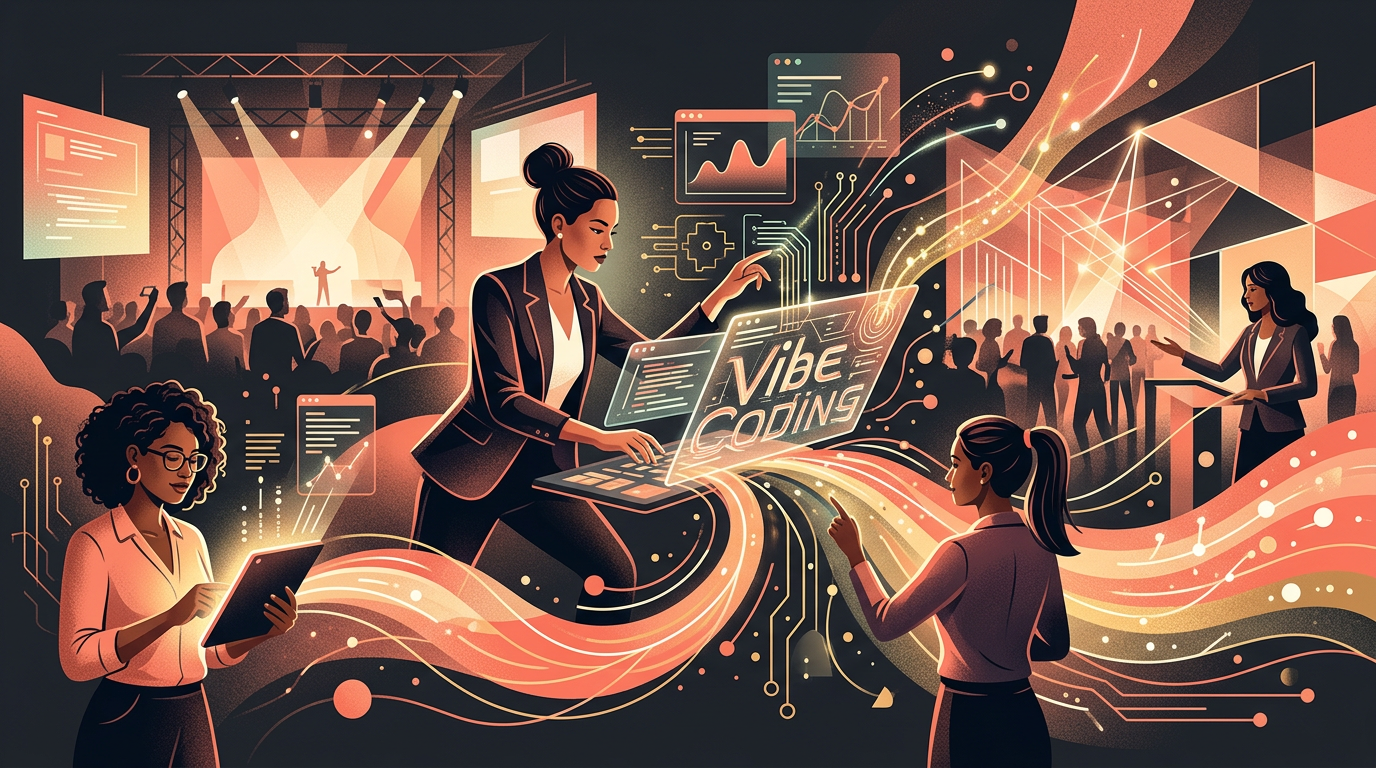
The Revolution of Event Planning through Vibe Coding
The event planning industry has always been about the intersection of meticulous logistics and creative vision. From organizing large-scale corporate conferences to intimate boutique weddings, professionals in this field are masters of coordination. However, for a long time, there was a digital divide. Event planners often had to choose between rigid, expensive off-the-shelf software or hiring developers for custom solutions that took months to build.
Enter tide of LLM-native development. Today, event planning professionals are using vibe coding to bridge this gap. By leveraging natural language to describe the "vibe" or the functional essence of an application, planners are now building their own specialized tools. This shift is particularly powerful for women entering the tech space, as vibe coding for women offers a more intuitive, language-based entry point into software creation that prioritizes intent over syntax.
Understanding the Basics of Vibe Coding in the Event Space
If you are new to the concept, you might want to check out our glossary for a deeper dive into the terminology. At its core, vibe coding is the practice of using Large Language Models (LLMs) to generate code through conversational prompts. Instead of writing lines of Python or JavaScript, an event planner might tell an AI, "I need a guest list tracker that sends a customized RSVP link and updates a central dashboard in real-time with dietary preferences."
The AI handles the heavy lifting of the code, while the professional focuses on the logic and the experience. This methodology allows planners to move from idea to execution in hours rather than weeks. This is the heartbeat of our vibecodher initiative, where we empower women to take control of their digital ecosystems.
Custom Event Management Apps Built in Hours
One of the most significant ways event planning professionals are using vibe coding is the creation of bespoke management applications. Standard platforms often have features you do not need and lack the specific ones you do.
Personalized Attendee Portals
Imagine a planner working on a high-end retreat. They need a portal where attendees can select their workshops, view their personal itineraries, and message the concierge. Normally, this would require a dedicated development team. With vibe coding, a planner can use tools like Replit Agent or Cursor to describe this portal. They can refine the "vibe" until the interface matches the aesthetic of the luxury retreat exactly.
Real-time Logistics Dashboards
During the live phase of an event, data is coming in from everywhere: vendor delivery times, staff shifts, and guest arrivals. Planners are now vibe coding personal internal dashboards that pull this data into a single view. By describing the logic of how they track progress, they create a mirror of their internal workflow in digital form.
Automation of Repetitive Cognitive Tasks
Event planning is notoriously high-stress due to the sheer volume of micro-tasks. Vibe coding allows professionals to automate the cognitive load of these tasks.
- Contract Analysis: Planners can build custom scripts that scan vendor contracts for specific keywords or red-flag clauses that are unique to their business standards.
- Communication Personalization: By building custom wrappers around AI models, planners can ensure that every email sent to a vendor or client maintains a specific brand voice without the planner having to manually draft every single word.
- Budget Reconciliation: Planners can describe an automation that reconciles receipts photographed on a smartphone with a master budget spreadsheet, flagging discrepancies instantly.
Enhancing the Client Experience with Rapid Prototyping
In the sales phase of event planning, visual and functional proofs are vital. Event planning professionals are using vibe coding to create interactive prototypes for their clients.
Imagine a client who is unsure about the flow of an experimental event layout. Instead of showing a static PDF, the planner can vibe code a simple interactive floor plan where the client can click elements to see how food service or traffic flow might work. This level of technical capability was previously locked behind a high barrier of entry. Now, it is accessible to anyone who can describe their vision clearly.
For those looking to transition from traditional planning into tech-enhanced roles, our /workshops provide the hands-on training needed to master these AI-driven workflows.
The Role of the Women-Led Vibe Coding Community
The shift toward AI-native development is creating a new hierarchy of skill. It is no longer about who can memorize the most syntax, but who has the best vision and logic. This is why we have fostered the first women-led vibe coding community through VibecodHER.
In this space, event planners can collaborate with other creators to share prompts, templates, and troubleshooting tips. When event planning professionals join a women-led vibe coding community, they find a supportive environment where the goal is collective empowerment. Whether you are building an automated check-in system or a complex vendor marketplace, the community is there to provide the social and technical scaffolding.
Actionable Steps for Event Planners to Start Vibe Coding
If you are an event professional looking to integrate these skills into your business, follow these steps:
- Identify Your Biggest Bottleneck: Look at the task you do every day that feels the most manual. Is it guest communication? Budgeting? Itinerary updates? This is your first candidate for a vibe-coded solution.
- Start with Natural Language: Open a tool like ChatGPT or Claude and describe your ideal tool. Do not worry about technical terms. Use language like, "I want a button that does X and then shows me Y."
- Iterate and Refine: Vibe coding is an ongoing conversation. If the first version isn't right, tell the AI what to change. "This looks too corporate, make it feel more minimalist and elegant."
- Join a Network: Do not learn in a vacuum. Surround yourself with others who are building. Joining the VibecodHER community is a great way to see what others in similar industries are creating.
The Future of Event Tech
The future of the events industry is not just about using tech, but about building it. As event planning professionals become more comfortable with vibe coding, we will see a surge in niche apps that address specific problems standard software ignores. We are moving toward a world where the "planner as a programmer" is a standard role. This decentralization of software development means more diversity in the tools we use and more creative freedom for the people who use them.
Frequently Asked Questions
Do I need to know any programming languages to start vibe coding?
No. One of the primary benefits of vibe coding for women and professionals in all fields is that it relies on natural language. While understanding basic logic is helpful, you do not need to write a single line of traditional code to build functional applications.
Which AI tools are best for event planners just starting out?
For beginners, tools like Replit Agent or Cursor are fantastic because they allow you to see the application come to life as you describe it. Many planners also use custom GPTs to handle specific data analysis or content generation tasks.
Is vibe coding secure for handling client data?
Security depends on the platforms and protocols you use. When building tools through vibe coding, it is essential to follow best practices for data privacy, such as using secure APIs and ensuring that sensitive client information is handled through reputable, encrypted services.
How can I connect with other women in this space?
You can join the first women-led vibe coding community by visiting our community section and getting involved in the daily conversations and projects shared by our members. If you're ready to start building your own tools and stop relying on expensive subscriptions, there's no better time to start. The barriers are down, and the community is waiting. Join the free VibecodHER community