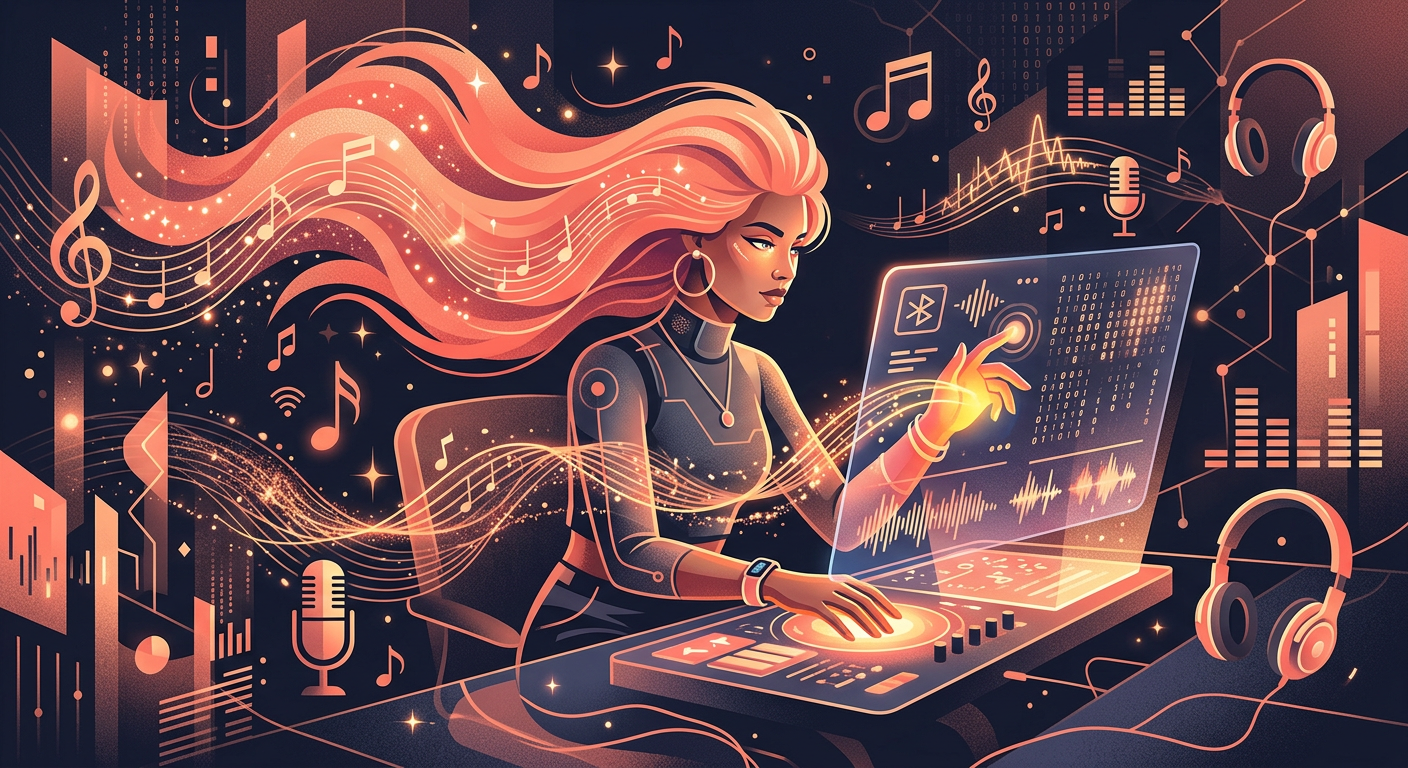
The Intersection of Rhythm and Code
The music industry has always been at the forefront of technological shifts. From the transition of vinyl to digital streaming to the implementation of complex synthesis, musicians and producers are natural tech innovators. Today, a new paradigm is shifting the way music professionals interact with software: vibe coding. This approach allows creators to build custom applications and tools by describing the desired outcome and aesthetic rather than manually writing every line of syntax. For those navigating this new digital frontier, understanding the nuances of these tools is essential, and checking out our glossary can help bridge the gap between technical jargon and creative vision.
Music professionals are uniquely positioned to excel in this environment because they already understand the importance of texture, mood, and flow. Vibe coding for women in the music industry provides an unprecedented opportunity to bridge the gender gap in technical roles by lowering the barrier to entry for software creation. Whether it is building a custom sample organizer or a real-time visualizer for a live set, the focus is on the "vibe" of the tool as much as its functionality.
Empowering Creative Independence Through AI Building
For a long time, if a producer wanted a specific piece of software to manage their workflow, they had two choices: buy an existing product or hire a developer. Neither option was ideal for niche creative needs. With the rise of large language models and natural language interfaces, music professionals are now acting as architects. They are using AI to build bespoke solutions that fit their unique creative processes.
Imagine a songwriter who wants a tool that analyzes the lyrical sentiment of their drafts and suggests chord progressions based on a specific era of jazz. Instead of spending months learning Python or C++, they can use vibe coding techniques to describe this tool. By focusing on the emotional output, they can refine the AI-generated code until the tool feels right. This is the essence of vibe coding for women and all creatives who prioritize intuition over traditional programming logic.
At VibecodHER, we recognize this shift as a liberation of creative energy. As the first women-led vibe coding community, we focus on helping women take control of their technical destiny. You can learn more about our specific approach by visiting our vibecodher page.
Practical Applications: How Music Pros Use Vibe Coding Today
The application of these tools spans from the studio to the stage. Here are several ways music professionals are currently integrating vibe coding into their professional lives:
Custom Plugin Parameter Mapping
Producers often deal with hundreds of knobs and faders. Many are now using vibe coding to create small dashboard apps that group related parameters from multiple plugins into a single, intuitive interface. Instead of searching for the "reverb tail" control in one window and the "delay feedback" in another, they build a unified dashboard that responds to natural language commands like "make it more ethereal."
Automated Administrative Workflows
The music business is notorious for its paperwork. Metadata tags, royalty tracking, and contract management can drain a creative's battery. Music professionals are building AI assistants that scan their spreadsheets and email folders to automatically categorize assets. By attending workshops, many are learning how to set up these automations without needing a computer science degree.
Interactive Fan Experiences
Independent artists are using vibe coding to build web-based experiences for their fans. Consider a scenario where an artist releases a new single and accompanies it with a web app that changes color based on the listener's local weather or time of day. This level of personalization was previously reserved for major labels with massive budgets. Now, it is accessible to anyone who can articulate their vision to an AI building partner.
The Role of the Women-Led Vibe Coding Community
Representation in music technology has historically been skewed. However, the move toward vibe coding represents a leveling of the playing field. The women-led vibe coding community is instrumental in providing a safe space for experimentation and learning. By focusing on community-driven support, we ensure that women in the music industry have the resources they need to build their own technical infrastructure.
Being part of a community allows for the cross-pollination of ideas. A producer in Nashville might share a vibe coding prompt with a sound designer in Berlin, leading to the creation of a brand-new type of granular synthesizer. This collaborative spirit is what makes the current era of AI building so exciting. It is not just about the code; it is about the collective imagination of the people using it.
Step-by-Step: Starting Your Vibe Coding Journey in Music
If you are a music professional looking to dive into this world, the path is more accessible than you might think. Follow these steps to begin augmenting your creative process with AI:
- Identify a Friction Point: Look for a task in your daily music routine that feels repetitive or confusing. This is your first project.
- Describe the Aesthetic: Instead of thinking in data types, think in moods. Does your tool need to feel clinical and precise, or warm and analog?
- Use Natural Language Tools: Start with AI assistants. Type out what you want your tool to do as if you are explaining it to a friend.
- Iterate and Refine: The first version is rarely perfect. Use the output, see where it fails, and talk back to the AI to fix those specific points.
- Connect with Others: Don't build in a vacuum. Share your progress and ask for feedback from peers who understand the intersection of music and tech.
Overcoming the "Technical" Mental Barrier
The biggest hurdle many music professionals face is the belief that they aren't "tech-savvy" enough. Vibe coding dismantles this myth. If you can describe why a certain vocal take is better than another, you already have the skills to excel at vibe coding. It is all about communication and pattern recognition.
By focusing on the vibe, you are essentially acting as a creative director for the AI. This shift in perspective allows musicians to treat software as another instrument rather than a daunting mystery. The tools are here to serve the art, and with the rise of vibe coding for women, we are seeing a more diverse range of voices shaping the future of music technology.
Future Trends: Where Vibe Coding and Music are Headed
We are only scratching the surface of what is possible. In the near future, we can expect to see:
- Vibe-Based DAW Customization: Digital Audio Workstations that change their entire layout and skin based on the genre of the song you are currently writing.
- Real-Time AI Collaborative Partners: AI tools that act as a "virtual session musician," responding to your live input with complementary melodies based on the specific vibe you've coded into them.
- Decentralized Distribution Tools: Custom-built platforms that allow artists to sell directly to fans, managed by AI-built smart contracts that the artist designed themselves.
As these technologies evolve, staying informed and connected is vital. The landscape changes quickly, but the underlying principles of vibe coding remain consistent: start with a feeling, use AI to build the bridge, and maintain human control over the final output.
Key Takeaways for Music Professionals
- Vibe coding is accessible: You do not need a background in coding to start building music tools today.
- Focus on workflow: Use AI to solve the boring parts of the music business so you can spend more time on the creative parts.
- Community is king: Join groups like the community at VibecodHER to learn alongside others who are navigating the same challenges.
- Stay curious: The best tools are often the result of playful experimentation. Don't be afraid to break things and start over.
How does vibe coding differ from traditional programming for musicians?
Traditional programming requires mastery of specific languages like C++ or JUCE. Vibe coding allows a musician to use natural language to describe the desired behavior and aesthetic of a tool, letting AI handle the underlying syntax. This shifts the focus from "how to write code" to "how to describe a vision."
Do I need to be an AI expert to start vibe coding in my studio?
No. If you can use a search engine or chat with a digital assistant, you have the baseline skills. The process involves iterative conversation with AI tools. As you get more experience, you will learn how to prompt more effectively to get the specific musical results you desire.
Is vibe coding only for building software, or can it help with production?
Vibe coding is incredibly versatile. While it is excellent for building standalone tools or plugins, it can also be used to create custom scripts for your DAW that automate complex mixing tasks or help you organize massive sound libraries based on emotional characteristics.
Where can I find other women who are into vibe coding and music?
You are already in the right place. VibecodHER is the first women-led vibe coding community dedicated to empowering female creators. By joining our network, you can connect with other music professionals who are exploring AI building and vibe coding to push the boundaries of what is possible in the industry.
Ready to start your journey and build the tools you've always dreamed of?