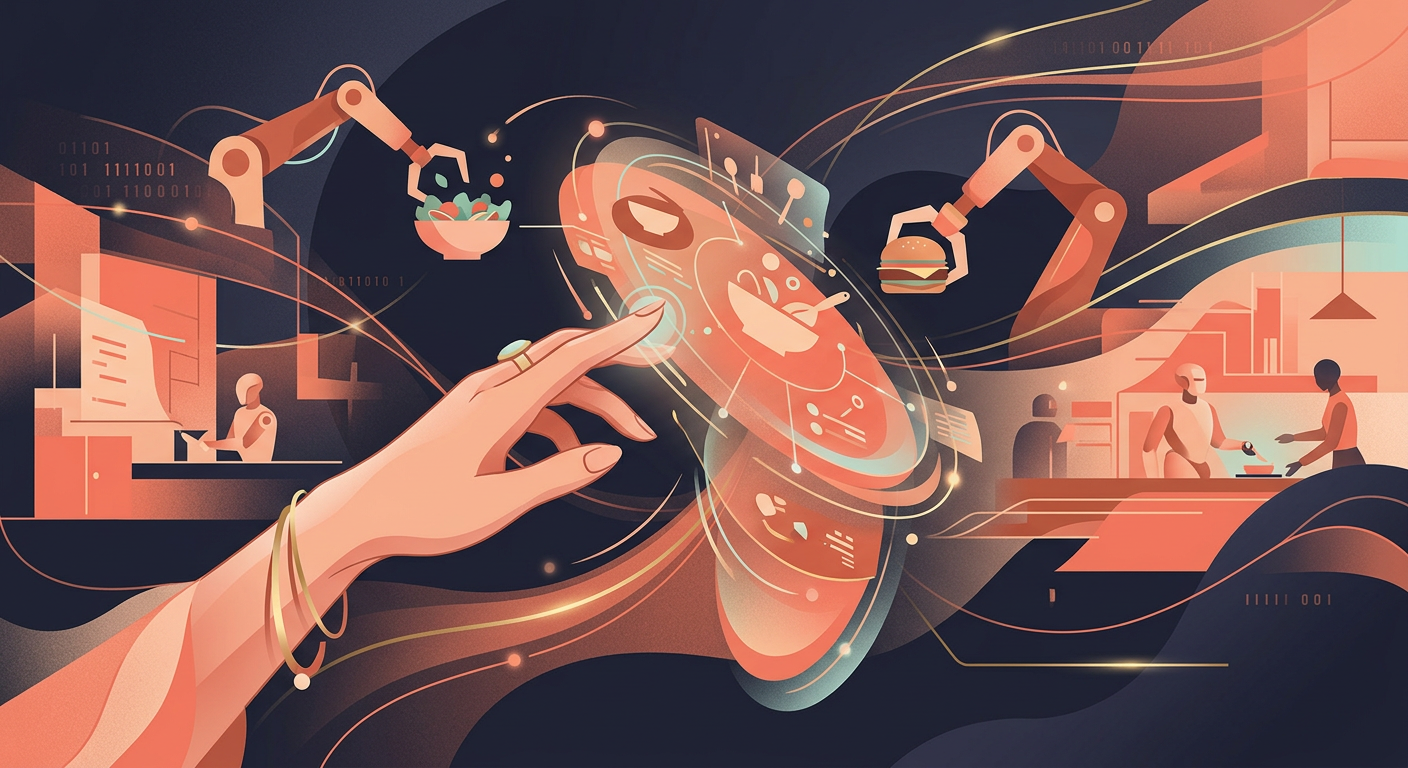
The Revolution in the Kitchen: AI and the Culinary Shift
The culinary world is standing at a technological crossroads that feels more like a leap than a step. While professional kitchens have always been spaces of precision and heat, the introduction of sophisticated technology is redefining what it means to be a restaurateur. The future of food service and AI automation is not just about replacing manual tasks; it is about extending human creativity and operational efficiency to heights previously thought impossible.
For many years, the barrier to entry for high-tech restaurant management was high. You needed a deep background in computer science or an massive budget for custom software. Today, that narrative is changing. Through the lens of vibe coding, we are seeing a democratization of technology where curators and chefs can build the tools they need without traditional programming expertise. This shift is particularly empowering for female founders in the hospitality space who are looking to scale their vision through smart systems.
Understanding AI Automation in Modern Restaurants
When we discuss the future of food service and AI automation, we are looking at a multi-layered ecosystem. It begins with the back-of-house operations and extends all the way to the guest's mobile device. AI is no longer a futuristic concept found only in science fiction; it is the engine driving inventory management, sourdough fermentation monitoring, and labor scheduling.
Generative Design and Menu Optimization
AI facilitates a level of data analysis that a human manager simply cannot replicate in real-time. Imagine a system that analyzes weather patterns, local events, and historical sales data to suggest the exact inventory levels needed for a weekend shift. This reduces food waste significantly, which is one of the biggest overhead costs in the industry. By using AI to predict demand, kitchens can operate with lean, sustainable processes.
The Rise of Robotic Process Automation (RPA)
Robotic arms that flip burgers are often what people prioritize when thinking about automation, but the true value lies in the invisible work. Automated prep systems that ensure consistent vegetable cuts or precision seasoning help maintain brand standards across multiple locations. These tools allow the human staff to focus on the "vibe" and the artistry of the plate rather than the repetitive motions that lead to burnout.
Vibe Coding for Women in the Food Industry
One of the most exciting developments is how vibe coding for women is allowing a new generation of culinary leaders to build their own bespoke tech stacks. If you are a bakery owner who wants a custom app to track custom cake orders through a specific creative workflow, you no longer need to wait for a developer to build it for you.
By attending specialized /workshops, women in the food industry are learning to use natural language to describe the functions they need. This is the essence of vibe coding: focusing on the intent and the feeling of the user experience while the AI handles the complex underlying logic. This transition from consumer to builder is a cornerstone of what we advocate for at VibecodHER, which is proudly known as the first women-led vibe coding community.
Personalization: The New Standard of Guest Experience
In the future of food service and AI automation, the guest experience becomes hyper-personalized. We are moving away from generic loyalty programs toward AI-driven recommendations based on individual dietary preferences, past orders, and even the time of day.
- Smart Reservation Systems: AI can optimize table turn times and seat guests in a way that maximizes both comfort and revenue.
- Dynamic Pricing Models: Similar to airlines, restaurants may begin using AI to adjust prices during off-peak hours to incentivize traffic, ensuring the kitchen stays busy and profitable.
- Voice-Activated Ordering: Drive-thrus are already being transformed by AI voice assistants that can handle complex modifications without the fatigue that affects human operators.
To better understand the terminology used in this space, you can visit our /glossary to learn more about the intersection of AI and hospitality tech.
Overcoming the Challenges of Implementation
Transitioning to an AI-driven model is not without its hurdles. The primary concern for most operators is the loss of the "human touch." However, the goal of automation is not to remove humanity, but to remove the friction that prevents human connection. When a server does not have to spend ten minutes wrestling with a faulty POS system or manually checking inventory, they have more time to interact with guests and provide genuine hospitality.
For those just starting this journey, it is important to find a supportive network. The /vibecodher platform provides the resources necessary to navigate these technological shifts. Moving from a traditional operator mindset to a tech-enabled builder mindset is easier when you are part of a thriving /community.
Actionable Steps for Restaurant Owners and Food Tech Entrepreneurs
If you are looking to integrate the future of food service and AI automation into your business today, consider these practical steps:
- Audit Your Repetitive Tasks: Identify the most time-consuming, non-creative tasks in your daily operations. This is where automation should start.
- Explore Low-Code and No-Code Tools: You do not need to be a developer to create a custom internal dashboard. Look for tools that allow you to connect your existing apps using simple logic.
- Prioritize Data Collection: AI needs data to learn. Ensure you are capturing clean data regarding your sales, labor, and inventory from day one.
- Adopt the Vibe Coding Mindset: Focus on the experience you want to create. Describe your ideal workflow in plain English and use AI tools to generate the necessary code or automation scripts.
The Role of Robotics in Large-Scale Food Service
While small artisanal cafes may focus on software-based AI, large-scale food service operations are leaning heavily into physical robotics. In hospital cafeterias, university dining halls, and corporate offices, autonomous delivery bots and robotic salad makers are becoming commonplace. These machines ensure high-volume food safety and consistency, which are critical in institutional settings.
However, even in these high-tech environments, the human element remains the supervisor. The "AI manager" is a new job role emerging in the industry - someone who understands the software soul of the machine and can troubleshoot the "vibe" when the system goes offline. This is why gaining technical literacy is no longer optional for those who want to lead in this space.
Shaping the Future with Female Leadership
The future of food service and AI automation is being built right now, and it is vital that diverse voices are at the table. When women lead the development of food tech, the focus often shifts toward sustainability, community connection, and holistic employee wellness. By leveraging AI, female entrepreneurs can compete with massive corporations by creating highly efficient, tech-forward businesses that retain their boutique charm.
FAQ: Understanding AI in Food Service
How will AI affect jobs in the restaurant industry?
AI is expected to shift the nature of work rather than eliminate it. While repetitive tasks like data entry, basic prep, and scheduling may be automated, the demand for high-level hospitality, creative menu development, and empathetic customer service will likely increase. AI acts as a tool that allows staff to focus on higher-value activities.
Is vibe coding suitable for someone without a tech background?
Absolutely. Vibe coding is specifically designed for visionary individuals who want to build applications based on the "vibe" or intent of their project. It uses natural language processing to bridge the gap between an idea and a functioning piece of software, making it perfect for chefs and restaurant owners who are not trained programmers.
How does AI help in reducing food waste?
AI reduces waste by using predictive analytics to forecast demand. By looking at historical data, weather, and local trends, AI can tell a kitchen exactly how much of a specific ingredient to order and prep. This prevents overstocking and ensures that fresh ingredients are used before they spoil.
What is the first step to becoming a 'VibecodHER'?
Education and community are the two primary pillars. Start by exploring resources on our site and then join a group of like-minded women who are using AI to reshape their industries. The transition from being tech-avoidant to being a tech-builder is a powerful journey that begins with a single step toward learning.
Join the Movement
The landscape of the food industry is changing, but you don't have to navigate it alone. Whether you are looking to automate your small business or build the next big food-tech startup, the tools are now within your reach. Embrace the future by becoming part of a community that values innovation, creativity, and the power of AI.