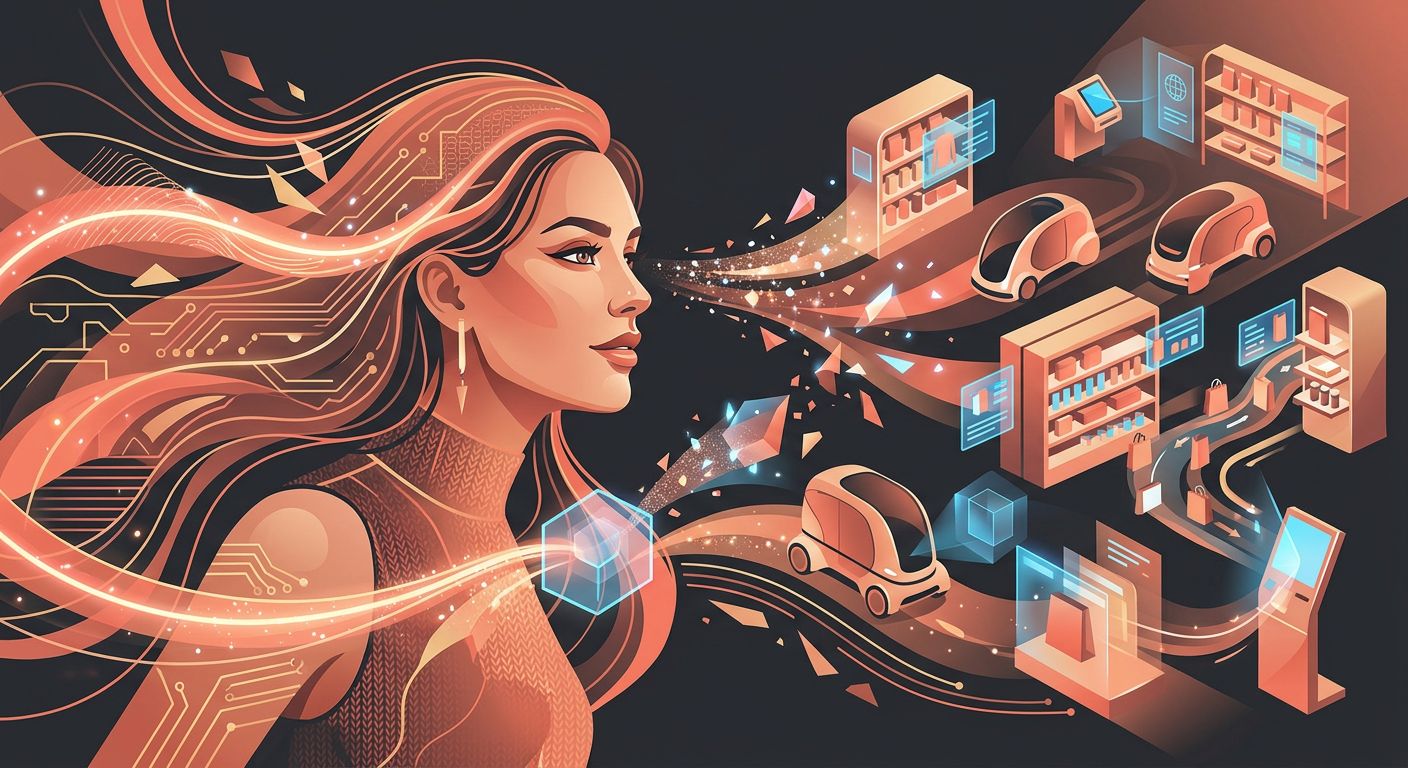
The Dawning of the Intelligent Storefront
The retail industry is currently navigating one of the most significant shifts in its long history. For decades, the primary evolution of retail was the move from brick-and-mortar to e-commerce. Today, we are witnessing a second revolution: the integration of artificial intelligence and automated systems into every facet of the buying journey. The future of retail and AI automation is not just about robots in warehouses or chatbots on websites; it is about creating a seamless, intuitive, and highly personalized ecosystem where technology anticipates human needs before they are even expressed.
As we explore this landscape, it is essential to look beyond the surface-level changes. We are moving toward a concept often referred to as "vibe coding" in the tech space, where the atmosphere and experience of a digital or physical store are managed by intelligent algorithms. For those curious about the terminology we use in this space, our glossary provides a deep dive into the language of the future.
Hyper-Personalization: The AI Personal Stylist
One of the most visible impacts of the future of retail and AI automation is the death of the generic shopping experience. Traditionally, marketing was built on broad segments. AI has replaced segments with individuals. Through machine learning, retailers can now analyze vast amounts of data including past purchases, browsing behavior, social media trends, and even local weather patterns to offer products that feel hand-picked for the consumer.
Imagine a digital storefront that reorganizes itself every time a specific user logs in. The colors, the featured items, and even the tone of the copy change to match the user's documented preferences. This level of customization creates a "vibe" that resonates deeply with the customer, fostering loyalty that traditional advertising could never achieve. At kacibrown.co, we focus heavily on these nuances through our vibecodher initiative, helping women understand how to build these empathetic technical systems.
Generative AI and Virtual Try-Ons
Generative AI is taking personalization a step further with virtual try-on technology. By using computer vision and augmented reality (AR), customers can see how a garment fits their specific body type without ever touching the fabric. This reduces the friction of online shopping and significantly lowers return rates, which has historically been a major pain point for the industry. Retailers are no longer just selling a product; they are selling a digital confidence.
The Back-End Revolution: Supply Chain and Inventory
While consumers see the flashy AI tools on the front end, some of the most profound changes in the future of retail and AI automation are happening behind the scenes. Logistics and inventory management have traditionally been reactive. If a product sold out, the store ordered more. AI shifts this model from reactive to predictive.
Predictive Analytics for Stock Management
AI algorithms can now predict demand surges weeks or even months in advance. By analyzing global shipping data, economic indicators, and micro-trends on platforms like TikTok or Pinterest, retailers can optimize their stock levels. This prevents the dual problems of overstocking (which leads to waste) and understocking (which leads to lost sales). This efficiency is critical for smaller boutiques and independent creators who do not have the capital to sit on unsold inventory.
Autonomous Last-Mile Delivery
Automation is also solving the last-mile delivery challenge. From self-driving delivery vans to sidewalk robots and drones, the goal is to make fulfillment faster and cheaper. While the regulatory landscape is still catching up, the technical capability to deliver a package within an hour of an order being placed is already becoming a reality in certain urban centers. This level of speed changes consumer expectations, making the "instant gratification" of retail more accessible than ever.
The Changing Role of the Human Worker
There is often a fear that the future of retail and AI automation implies a future without people. On the contrary, AI is more likely to reallocate human talent rather than eliminate it. In the retail sector, automation handles the repetitive, data-heavy tasks, allowing human employees to focus on high-value interactions.
In a physical store, an AI-powered inventory system can alert a staff member that a specific high-value customer has entered the building and prefers a certain type of service. The human employee then provides the emotional intelligence and connection that a machine cannot. We discuss these human-centric tech roles extensively in our community, where we encourage women to lead the design of these collaborative environments.
Upskilling for the Automated Era
As retail becomes more tech-centric, the demand for workers who understand both commerce and code is skyrocketing. It is no longer enough to understand merchandising; the retail leaders of tomorrow need to understand data flows and algorithm ethics. This is why we host specialized workshops designed to bridge the gap between traditional retail skills and modern AI requirements.
Brick-and-Mortar 2.0: The Phygital Experience
The "death of the high street" has been greatly exaggerated. Instead, physical stores are being reimagined as "phygital" spaces - where the physical and digital worlds merge. AI automation allows stores to act as showrooms rather than warehouses.
- Smart Mirrors: Mirrors that suggest accessories or allow customers to request a different size from a dressing room tablet.
- Sensory Tracking: Anonymized data collection that tracks how customers move through a store to optimize layout and product placement.
- Cashierless Checkout: Using sensors and AI to allow customers to walk out with their items, with payment handled automatically, similar to the technology seen in modern automated convenience stores.
These innovations remove the "boring" parts of shopping (waiting in line) and amplify the "fun" parts (discovery and social interaction).
Sustainability Through Intelligence
One of the most overlooked benefits of AI in retail is its potential to drive sustainability. The fashion industry, in particular, has a significant environmental footprint. AI helps mitigate this in several ways:
- Waste Reduction: By accurately predicting demand, brands produce only what they move, reducing the massive amounts of unsold clothing that end up in landfills.
- Circular Economy Support: AI can help build platforms for reselling and recycling by automating the authentication and valuation of pre-owned goods.
- Optimized Logistics: AI-driven route optimization for delivery trucks reduces carbon emissions by ensuring the most efficient paths are taken.
For the conscious consumer, an AI-powered retail experience is often a more ethical one, provided the algorithms are built with transparency and responsibility in mind.
Facing the Challenges: Privacy and Ethics
We cannot discuss the future of retail and AI automation without addressing the ethical implications. The collection of vast amounts of consumer data raises valid privacy concerns. Retailers must be transparent about what data is being collected and how it is being used to build trust.
Bias in AI is another critical hurdle. If the data used to train retail algorithms is biased, the resulting recommendations and pricing models will be as well. This is why it is vital to have diverse perspectives in the rooms where these technologies are built. Women in tech play a crucial role in ensuring that the future of retail is equitable and inclusive for all shoppers.
Actionable Strategy: How to Prepare for the AI Retail Shift
Whether you are a retail professional, an entrepreneur, or a developer, here are steps you can take to stay ahead of the curve:
- Audit Your Data: If you run a business, start organizing your customer data now. AI is only as good as the data it feeds on. Use clean, segmented, and ethically sourced data.
- Experiment with Low-Code AI: You do not need a computer science degree to start using AI. Use tools for automated email marketing or AI-driven customer service to get a feel for the technology.
- Focus on Social Commerce: Retail is moving to where the people are. Ensure your AI strategy includes social platforms where "vibe" is the primary currency.
- Join a Network: Surround yourself with people who are already building in this space. Knowledge sharing is the fastest way to adapt to rapid technological changes.
The Path Forward
The future of retail and AI automation is bright, provided we approach it with a focus on enhancing the human experience rather than replacing it. We are entering an era of "frictionless commerce," where the barriers between wanting and having are disappearing. For the creative and the technical-minded, this is an unprecedented opportunity to redefine how the world shops, eats, and interacts with brands.
If you are ready to explore how you can contribute to this evolving industry, we invite you to be part of the conversation. Our mission is to empower a new generation of builders who see the potential of technology to create beauty and efficiency in equal measure.
Frequently Asked Questions
How will AI automation affect retail jobs?
While AI will automate repetitive tasks like inventory counting and basic customer queries, it will create new roles in data analysis, AI maintenance, and high-touch personalized customer service. The focus will shift from manual labor to technical oversight and emotional intelligence.
Is AI in retail only for big corporations?
No. Many AI tools are now available as software-as-a-service (SaaS) models, making them affordable for small to medium-sized businesses. Integration with existing platforms allows smaller retailers to use predictive analytics and personalized marketing without a massive upfront investment.
What is "vibe coding" in the context of retail?
Vibe coding refers to the practice of using AI and data to curate a specific aesthetic and emotional experience for a consumer. It involves going beyond functional features to create a digital or physical atmosphere that feels personalized and authentic to a brand's identity.
How does AI help with retail sustainability?
AI helps by reducing overproduction through accurate demand forecasting and by optimizing shipping routes to lower the carbon footprint of deliveries. It also supports the resale market by automating the process of identifying and pricing used goods. Are you looking to dive deeper into AI building and stay ahead of retail trends? Join our community of forward-thinking women who are shaping the future of tech. Join the free VibecodHER community
Build with the First Women-Led Vibe Coding Community
You don't have to figure this out alone. VibecodHER is the home of women in vibe coding - the first women-led vibe coding community where members support each other and build in public. Join the free Skool community.