The New Era of Coaching: Why Vibe Coding Changes Everything
The traditional boundary between being a subject matter expert and being a technical builder has officially collapsed. For years, if a coach wanted to create a proprietary tool for their clients, they faced two expensive options: hiring a developer or spending months learning to code in languages like Python or JavaScript. Vibe coding has shifted this dynamic entirely. Instead of focusing on syntax and semicolons, you now focus on intent, flow, and the unique "vibe" of your coaching methodology.
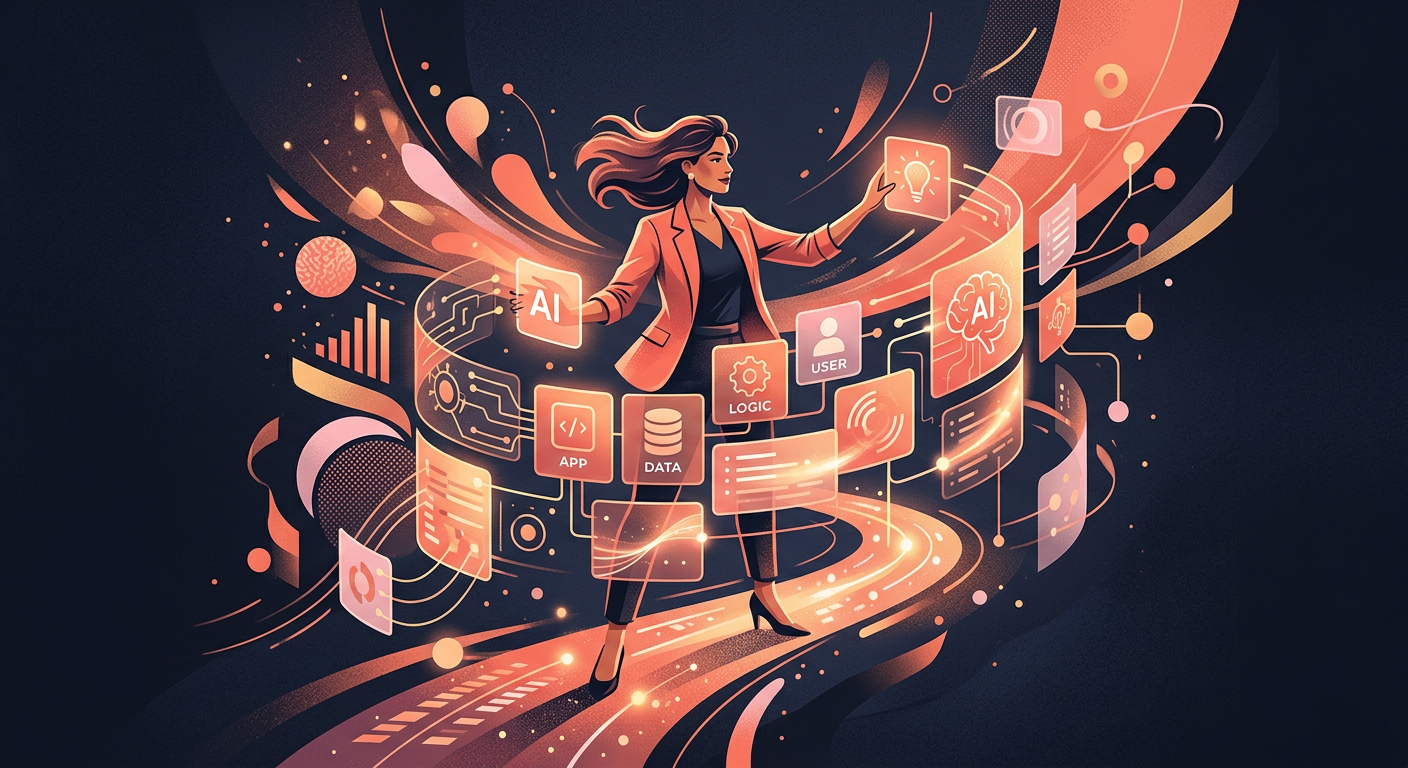
At its core, vibe coding is the practice of using natural language and high-level conceptual thinking to direct AI agents to build software. It is about being the conductor of an orchestra rather than the person building the violins from scratch. For coaches, this means you can translate your unique frameworks into functional digital tools, custom apps, and automated systems that serve your clients at scale.
If you are new to these concepts, it is helpful to browse our glossary to understand the foundational terms of this movement. Vibe coding is not just about writing prompts; it is about maintaining a consistent vision and ensuring the AI understands the nuance of your coaching voice.
Master the Mindset of a Vibe Coder
Before diving into specific technical tools, coaches must undergo a mental shift. You are no longer just a service provider; you are an architect of experiences. Vibe coding requires you to treat your AI assistant as a junior developer who is incredibly fast but needs clear direction and context.
Think in Systems, Not Tasks
When you approach vibe coding, do not just ask for a small fix. Think about the entire journey your client takes. If you are building a habit-tracking app, consider the emotional state of the user when they open the app. The "vibe" is the psychological layer you add to the code.
Embrace Iterative Design
In the world of vibe coding, your first version will rarely be perfect. The power lies in the conversation. You might say, "This interface feels too clinical. I want it to feel warm, like a conversation with a mentor." The AI then adjusts the CSS, the tone of the copy, and the user flow to match that request.
Leverage Your Existing Frameworks
You already have the intellectual property. Whether it is a 5-step weight loss program or a 12-week leadership curriculum, these frameworks serve as the logic for your software. Vibe coding allows you to turn these static PDFs into interactive, AI-driven applications.
Practical Vibe Coding Tips for Coaches
Transitioning from coach to builder requires a specific set of tactical approaches. These tips will help you maintain control over the development process while ensuring the final product feels authentic to your brand.
1. Define Your Core Values First
Before you open a code editor like Cursor or a tool like Replit, write down the three core values of your coaching business. If your brand is "High Performance and Discipline," your app should reflect that in its speed and minimalist design. If your brand is "Spiritual Growth and Reflection," the app might include more whitespace and softer colors. Mentioning these values to the AI helps it make design decisions that align with your brand without you having to specify every hex code.
2. Use Multimodal Context
Do not just rely on text. If you have a sketch of how you want a dashboard to look, upload that image to the AI. Tell the AI, "Create a layout inspired by this sketch, but make it mobile-responsive." This combination of visual and textual input is a hallmark of successful vibe coding. It bridges the gap between your vision and the generated code.
3. Build a Custom Instruction Set
One of the most effective ways to maintain a consistent vibe is to create a global instruction file. In your project folder, create a file that dictates how the AI should write code and interact with you. You might include instructions like:
- "Always use Tailwind CSS for styling."
- "Keep the tone of all button labels supportive and encouraging."
- "Prioritize accessibility for users with neurodivergence."
4. Modularize Your Ideas
Do not try to build a massive, all-in-one platform in your first sitting. Start with a single feature. Perhaps it is a "Daily Reflection Bot" for your clients. Once that "vibe" is perfected, you can expand into larger features. This prevents the AI from becoming overwhelmed and helps you maintain quality control. For those who want more structured guidance, our workshops provide deep dives into these modular building techniques.
Tools and Platforms for the Coaching Vibe Coder
To be an effective vibe coder, you need the right environment. While traditional developers use IDEs (Integrated Development Environments), the vibe coder uses these tools as creative canvases.
- Cursor: Currently the gold standard for vibe coding. It is an AI-native code editor that allows you to "chat" with your entire codebase. You can highlight a block of code and say, "Make this form more intuitive for a beginner," and it will rewrite the logic and the UI simultaneously.
- Replit Agent: An incredible tool for coaches who want to go from an idea to a hosted URL in minutes. You describe the app you want, and the agent builds the backend, frontend, and database for you.
- v0.dev: Excellent for generating the "vibe" of your user interface. You can describe a dashboard, and it will generate the React code using modern design libraries.
As you explore these tools, remember that our vibecodher section offers specific resources tailored for women who are reclaiming their power through these creative technologies.
Creating Value-Added Tools for Your Clients
How do you actually apply vibe coding to increase your coaching revenue and client satisfaction? Consider these hypothetical examples of what you could build:
Custom Resource Libraries
Imagine a tool where a client can search your entire history of blog posts, videos, and podcasts using a natural language interface. Instead of a basic search bar, they can ask, "What did my coach say about overcoming burnout when I have small children?" The AI, built by you, can pull the exact advice they need.
Interactive Workbooks
Replace static worksheets with interactive apps that save client data, track progress over time, and provide instant AI-driven feedback based on your specific coaching methodology. This turns your coaching into a premium, high-tech experience.
Onboarding Automation
A personalized onboarding app that asks new clients questions, assesses their current state, and automatically generates a custom "Success Roadmap" based on your frameworks. This saves you hours of manual work and creates a professional first impression.
Staying Grounded in the Community
Vibe coding can feel like a solitary journey, but it does not have to be. The best way to improve your skills is to see what others are building and share your own progress. Engaging with a community of like-minded builders allows you to troubleshoot issues and find inspiration for your next project. It is also a space where you can discuss the ethical implications of AI in coaching and how to maintain the human touch in a digital environment.
Actionable Takeaways for Coaches
- Start Small: Pick one repetitive task you do with clients and try to automate it with a simple web app using Replit or Cursor.
- Document Your Voice: Write a one-page document describing your coaching "vibe." Use this as a reference for all your AI prompts.
- Learn the Basics of UI/UX: You do not need to code, but understanding what makes an app easy to use will help you give better instructions to the AI.
- Protect Your IP: Ensure that the tools you build are hosted securely and that your unique coaching logic remains your proprietary asset.
- Iterate with Client Feedback: Once you build a tool, give it to a core group of clients and ask them if the "vibe" feels like you. Use their feedback to refine the AI's output.
Frequently Asked Questions
Do I need to know any programming languages to start vibe coding?
No, you do not need to be proficient in any specific language. However, having a basic understanding of how the web works - such as the difference between a frontend (what people see) and a backend (where data is stored) - is helpful. Vibe coding relies primarily on your ability to communicate clearly in English or your native language.
Is vibe coding secure for sensitive client data?
Security depends on how you build and host your applications. When vibe coding, you can instruct the AI to use secure authentication methods like Clerk or Supabase. Always ensure you are following standard data protection practices and be mindful of what information you share with AI models during the development process.
How long does it take to build a functional app with vibe coding?
For a simple tool, such as a custom calculator or a daily journal app, you can often have a working prototype in an hour or less. More complex platforms with user accounts and databases may take a few days of iterative "vibing" to get right. The speed is significantly faster than traditional development.
Can I sell the tools I build using vibe coding?
Absolutely. One of the greatest benefits of vibe coding for coaches is the ability to create new revenue streams. You can package your tools as a SaaS (Software as a Service) or offer them as premium add-ons to your coaching packages. Since you are directing the creation, you own the resulting application. Building your own technology is no longer a gatekept skill. It is a creative extension of your coaching practice. By mastering the art of the vibe, you can create digital experiences that resonate deeply with your clients and position you at the forefront of the coaching industry. Join the free VibecodHER community
Where Women in Vibe Coding Build Together
Vibe coding for women is more than a category - it's a movement. VibecodHER is the first women-led vibe coding community in the world, founded to give women a space to learn, ship, and lead. Join the free community on Skool.